

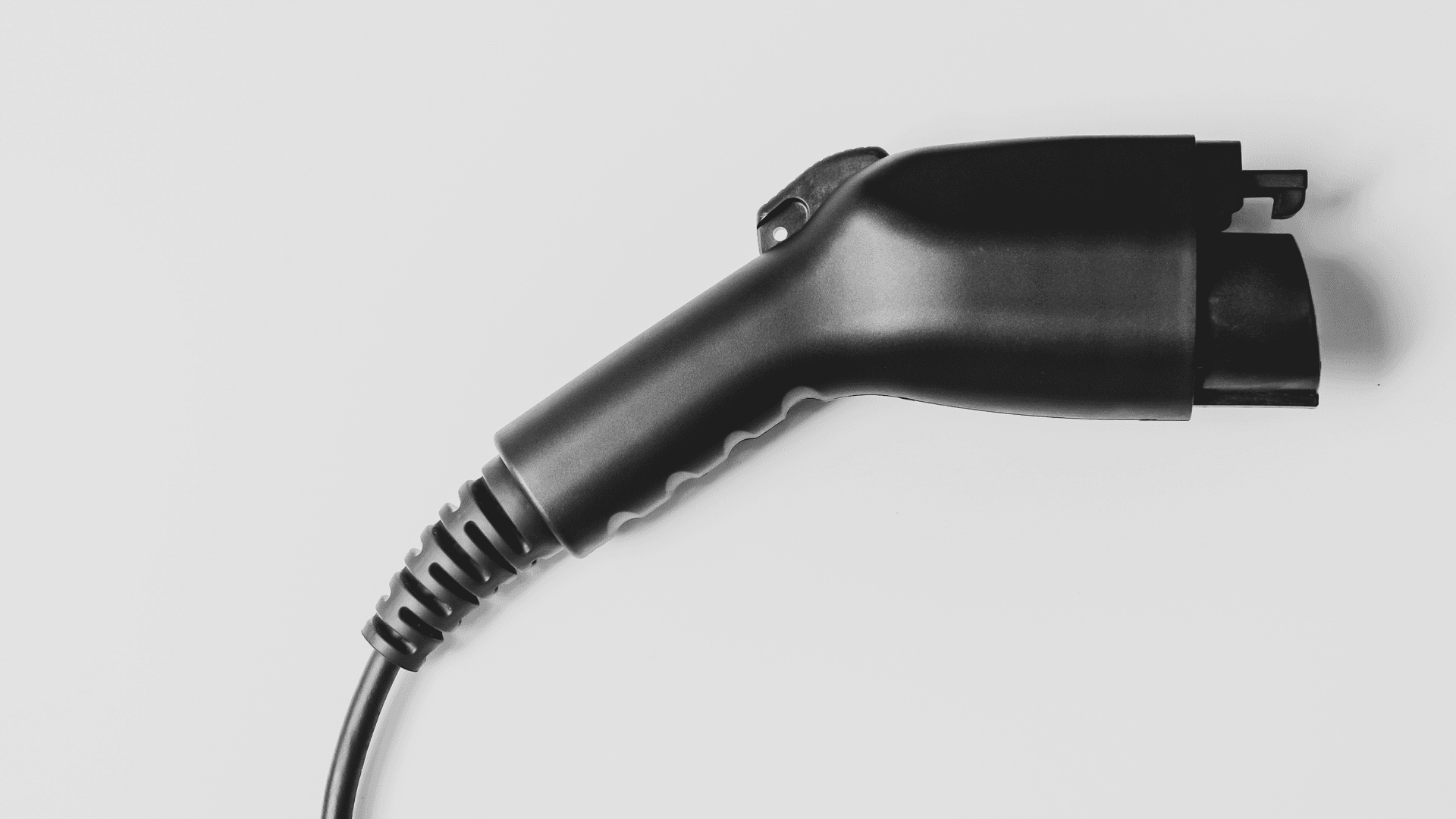
More and more homeowners across Portland, Scarborough, and Falmouth are switching to electric vehicles. But there's one step many people overlook until they're sitting in the dealer's office: making sure their home can actually charge the car.
At Goodnow Electric, we install residential Level 2 chargers across Southern Maine, and the process is straightforward — when it's done right. Here's what you need to know.
Level 1 vs. Level 2: Why the Outlet in Your Garage Won't Cut It
Every EV comes with a Level 1 charger that plugs into a standard 120-volt outlet. The problem? It adds roughly 4 to 5 miles of range per hour. For most commuters, that means leaving your car plugged in all night and still not reaching a full charge by morning.
A Level 2 EV charger uses a 240-volt circuit — the same type that powers your dryer or oven — and delivers 25 to 30 miles of range per hour. That's a full charge overnight, every night, without thinking about it.
What the Installation Actually Involves
A proper EV charger installation includes more than just mounting a box on your garage wall. Here's what Goodnow Electric handles during a typical install:
- Electrical assessment — We check your existing panel to see if it can support a 40- or 50-amp dedicated circuit. If not, we'll recommend an electrical panel upgrade first.
- Dedicated circuit run — A new 240-volt line from your panel to the charger location, sized to code and protected by the correct breaker.
- Charger mounting and wiring — We install the unit at the right height and location for your vehicle, whether it's in the garage, on an exterior wall, or in a carport.
- Permitting and inspection — We pull all required permits and schedule the electrical inspection so everything is up to code.
How Big a Circuit Does a Charger Need?
The electrical code treats EV charging as a continuous load, so the circuit has to be rated at 125 percent of what the charger actually draws. In practice:
- A charger set to 32 amps needs a 40-amp circuit.
- A charger set to 40 amps needs a 50-amp circuit.
- A charger set to 48 amps needs a 60-amp circuit, and is normally hardwired.
Most hardwired chargers let the installer set the maximum current to match the circuit, so a smaller circuit is not a dead end — the car simply charges a little more slowly. For most daily driving, even a 32-amp setting refills a typical commute overnight with plenty of margin.
Do You Need a Panel Upgrade?
This is the question we get most often, and the honest answer is: it depends on a load calculation, not on the number printed on the main breaker. A 100-amp service in a home with gas heat and a gas range may carry a charger comfortably; the same service in an all-electric home with heat pumps and an electric water heater may not. Homes with 200-amp service can usually accommodate the circuit without an upgrade.
When capacity is tight, there are options short of a new service. The charger can be set to a lower current, or an energy-management device can reduce charging automatically when the house is using a lot of power. When a panel upgrade is the right answer, we explain why before any work starts.
Older homes in neighborhoods across Westbrook, Gorham, and Saco often have electrical systems that haven't kept up with the rest of the house. The good news is that we handle both the panel upgrade and the charger install as one project, which saves on both labor and scheduling.
Choosing the Right Charger
We work with all major EV charger brands and can help you pick the right one for your vehicle and driving habits. Some things to consider:
- Amperage — A 40-amp charger handles most daily driving. Heavy commuters or multi-EV households may want a 48-amp unit.
- Smart features — Wi-Fi-enabled chargers let you schedule charging during off-peak hours, track energy usage, and get notifications. If you already have smart home technology, these integrate nicely with your existing setup.
- Indoor vs. outdoor — NEMA 4 rated chargers handle Maine winters without issue. We install both configurations.
Pairing Solar with Your EV
Homeowners in Cape Elizabeth, South Portland and elsewhere often pair an EV with solar panels so that daytime production offsets some of the energy the car uses. How much it offsets depends on the size of the array, your roof's orientation and how much you drive. If you are planning both, it pays to design them together so the panel has room for the solar breaker and the charger circuit.
What Does It Cost?
The cost of a Level 2 install comes down to a handful of factors:
- Distance — how far the charger is from the panel, and whether the route crosses a finished basement or runs outdoors.
- Panel capacity — whether the existing service can carry the circuit, needs load management, or needs an upgrade.
- Hardwired or plug-in — plug-in chargers need a suitable 240-volt receptacle with GFCI protection; hardwired units do not.
- The charger — you can supply your own, or we can recommend one.
- Permit and inspection — always included.
We quote every install in writing after seeing your panel and garage. On incentives: the federal 30C charger credit ended for equipment placed in service after June 30, 2026, so check Efficiency Maine's website for whatever state programs are currently open before you buy.
Charging Through a Maine Winter
Cold weather cuts EV range, and batteries charge more slowly when they are cold. A home charger helps on both counts: you can precondition the cabin and battery while the car is still plugged in, so the energy for warming comes from the wall rather than the battery. If the charger is mounted outside, choose a unit rated for outdoor use, mount it where snow shoveled or plowed off the driveway will not bury it, and leave enough cable to reach the charge port with the car parked either way.
Frequently Asked Questions
Can I use my dryer outlet? Not safely as a permanent arrangement — the dryer circuit is sized and protected for the dryer. A dedicated circuit is the right answer.
Do I need a permit? Yes. A new 240-volt circuit requires an electrical permit and inspection, which we handle.
Will a charger work with any EV? Most Level 2 chargers sold in the US use the J1772 connector, and many new vehicles use the NACS (Tesla-style) port. Adapters exist in both directions, or you can buy a charger with the connector that matches your car.
Local details are on our pages for EV charger installation in Portland and EV charger installation in Westbrook.
Get Your Home EV-Ready
Whether you've already ordered your vehicle or you're still researching, the best time to get your electrical system assessed is before the car arrives. Contact Goodnow Electric for a free estimate. You can also learn more about our team or check out our recent projects. We serve homeowners from Windham to Biddeford.
Call us at (207) 318-1022 to schedule a convenient time. The owner is on-site for every job — you'll never deal with a random subcontractor.