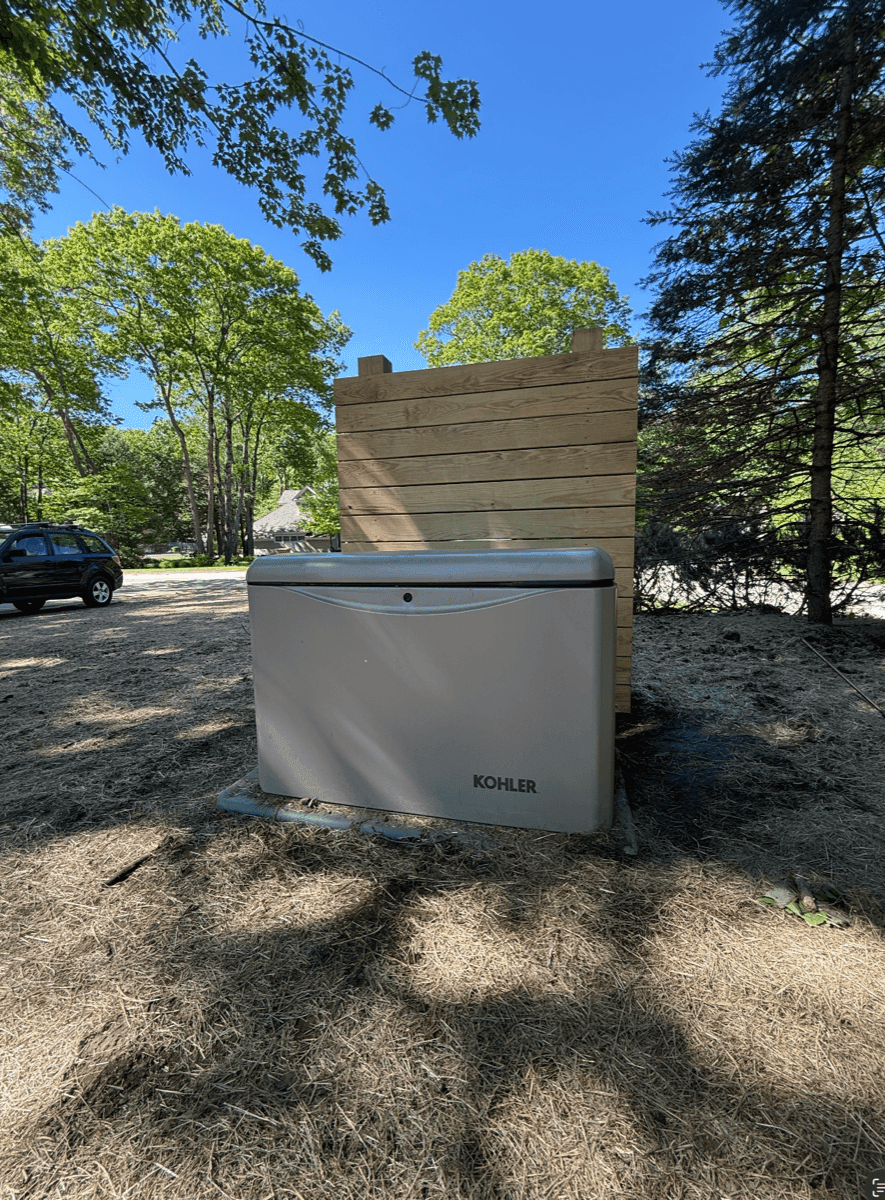
On January 13, 2024, the tide gauge in Portland Harbor reached 14.57 feet above mean lower low water, topping the 1978 record of 14.17 feet. The Maine State Pier went under, Commercial Street flooded at Chandler’s Wharf, and water spread around Back Cove, all while nearly three inches of rain fell and gusts ran near 60 miles an hour. For anyone near the waterfront or the cove, that day changed the generator conversation from whether to own one to where it can safely sit. A generator set on a pad at grade on a low street, or a transfer switch mounted low in a basement, can be ruined by the same water it was meant to protect against.
Power loss is the more common threat. The October 2017 windstorm knocked out more than 400,000 connections across Maine, some for over a week, surpassing the 1998 ice storm as the largest weather-related outage in state history. City water here comes from Sebago Lake through the Portland Water District, so most homes are not protecting a well pump. What they are protecting is heat: gas and oil boilers need electricity for burners, circulators and controls, and about one home in five already heats with electricity outright. Sump pumps, refrigerators and medical equipment round out the list. Two-family houses on two meters raise a planning question early: back up one apartment, both, or only the shared basement loads.
Fuel is simpler here than in rural towns, because Unitil’s gas mains reach much of the city and a standby unit can run on natural gas where a line is present; propane covers the rest. Placement is harder. Small peninsula lots leave little room for the manufacturer’s clearances from windows, doors and lot lines, and in mapped flood areas the generator and transfer switch belong above expected water. Portland’s electrical fee schedule lists generators as their own permit item. Goodnow Electric sizes the unit to the circuits that must run and installs either an automatic transfer switch or an interlock kit with an inlet for a portable. The gas or propane piping to a standby unit is done by a licensed fuel technician, and the two trades coordinate the startup.