Lighting in Naples has to work in two settings: the busy Causeway area, where homes and businesses sit close to Route 302, and the quiet lake roads where a house can sit far down a dark, wooded drive. For the second, the practical needs are safe arrival and security: motion-activated lights at the garage and door, low path lighting down to the house and the dock steps, and LED fixtures switched by a photocell or timer so they run all winter without anyone remembering a switch. An illuminated house number out by the road lets an ambulance or fire crew spot the right camp driveway in the dark. Choosing fixtures with LED lamps also means fewer trips up a ladder to change bulbs in a spot that is hard to reach once the snow comes.
Near the water, fixture choice and placement matter. On a lot within 250 feet of Brandy Pond, Sebago or Long Lake, shoreland zoning restricts clearing and digging, so any trench for path lights or a post lamp is best worked out with the town code office before a shovel goes in. Wet-location fixtures, sealed boxes and GFCI protection belong on every circuit that heads toward a dock or shoreline. Aim fixtures downward and shield them; a floodlight pointed at the lake lights up the neighbors' view across the water and does little for safety on your own steps. For seasonal owners, timers and smart controls let a closed-up camp appear lived-in during the months nobody is there.
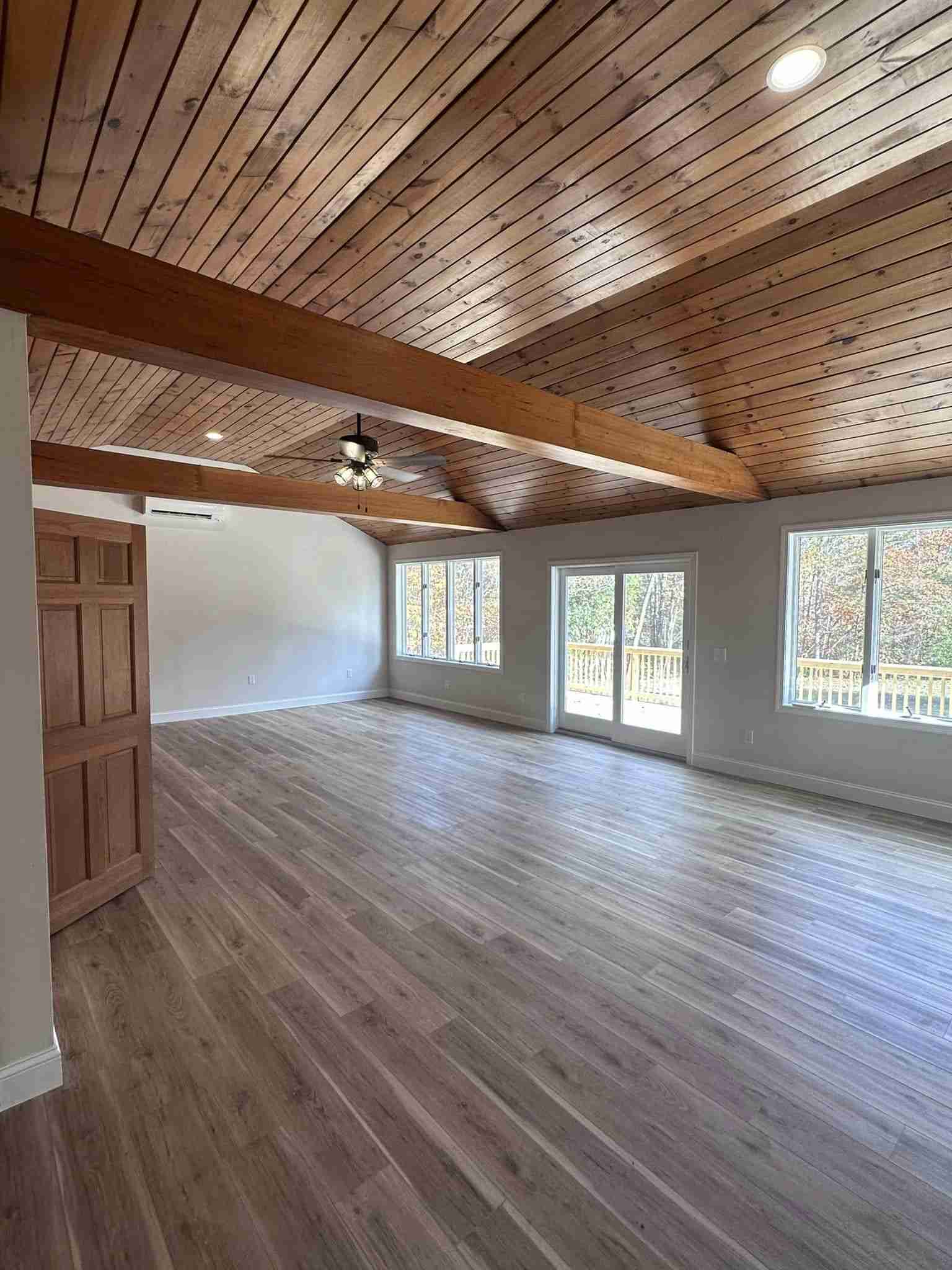
Inside, Naples jobs tend to be LED swaps of dated fixtures, recessed cans in cottages with low ceilings, lights tucked under the cabinets when a kitchen is redone, ceiling fans for sunrooms and sleeping porches, and LED-compatible dimmers that stay quiet and steady. Goodnow Electric confirms that an old cottage circuit has room before adding any load to it. A free written estimate comes first, and any permit needed is a state one. Exterior fixtures near the lake also take a beating from humidity and spring ice, so sealed LED fixtures with corrosion-resistant hardware outlast bargain lights by years.