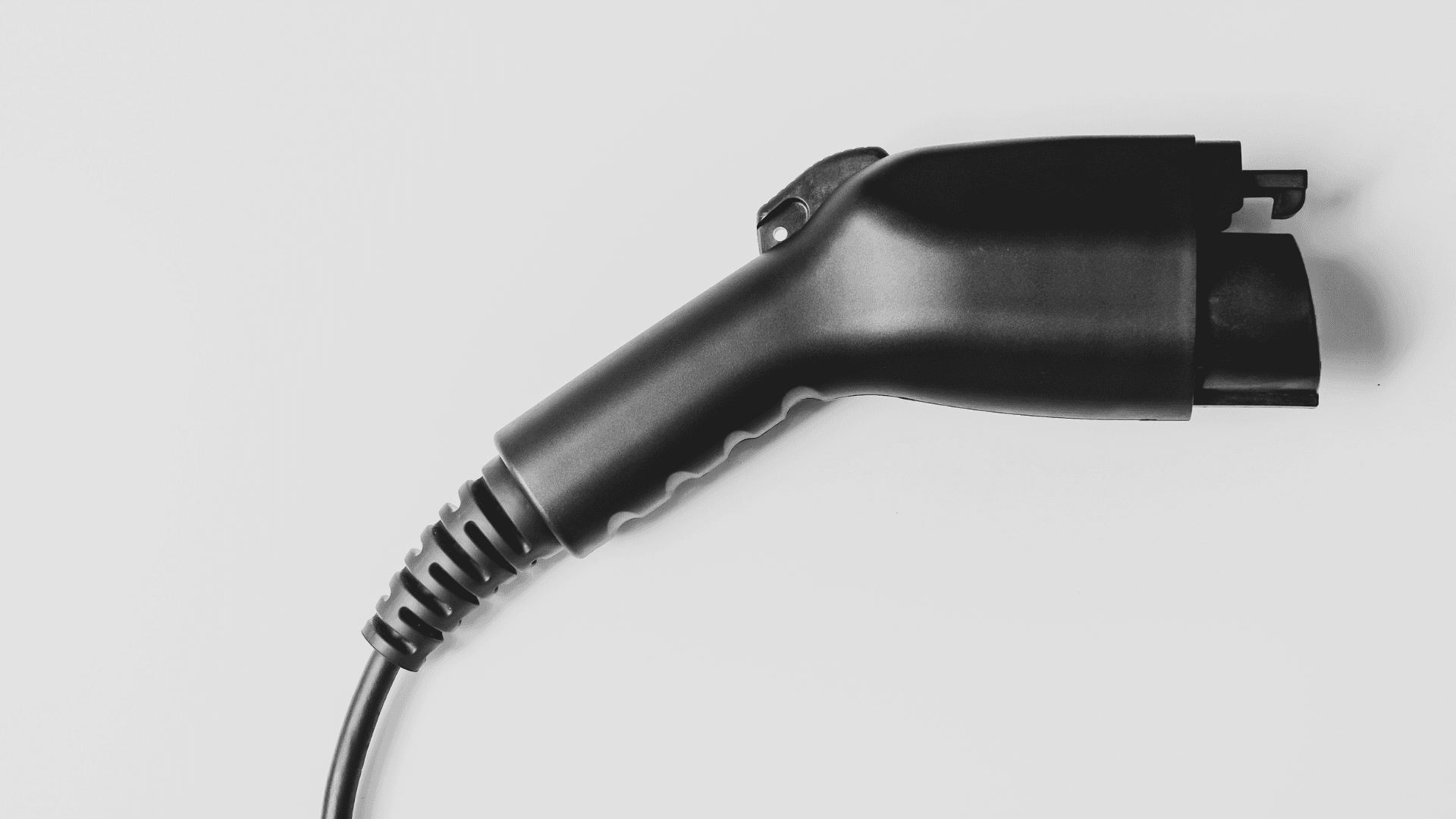
South Portland is a short-trip city. The Casco Bay Bridge links Knightville to downtown Portland, Exit 45 of the Maine Turnpike lands at Maine Mall Road, and I-295 crosses the city, so most daily errands and commutes are well within what an overnight charge replaces. Winter is the variable. A cold battery holds less, and running the heat in a car that is still plugged in draws from the house rather than the battery, so a reliable home circuit matters most from December to March. Scheduled departure settings in most cars can warm the battery and cabin from the grid just before leaving, which preserves range on the coldest mornings.
About 53 percent of homes are detached single-family houses and about 58 percent are owner-occupied, which means a majority of residents have some off-street parking and control over where a charger goes. An attached garage close to the panel is the simplest case. A detached garage may need a buried feeder or a small subpanel, and condominium or apartment residents need the association or landlord to approve the location and confirm which meter the circuit will come from. For chargers mounted outdoors near the harbor, a unit and fittings rated for wet locations and salt exposure is worth the small difference in price.
The capacity check comes before the purchase. An older service may not be able to add a 40- or 48-amp circuit without an upgrade, and a charger capped at a lower amperage can carry a household until the new service is in. Many drivers find that 24 or 32 amps still covers a normal day’s miles overnight. Efficiency Maine’s off-peak incentive totals $400, split between an instant discount and a mailed payment once the charger is on Wi-Fi and registered within six months; qualifying units stop drawing power on weekday evenings between five and nine, and a time-of-use rate is expected. Because the city requires a licensed electrician to pull the permit for new wiring, Goodnow Electric files it and installs hardwired or plug-in units, including Tesla Wall Connectors and universal units. Load-sharing features on some chargers also help two-car households split one circuit instead of adding a second.