Most Falmouth households park off the street. About 81 percent of homes are single-family detached houses and about 84 percent are owner-occupied, so a garage or driveway charger is the practical answer for nearly everyone who buys an electric car. The daily driving pattern suits overnight charging well. Interstate 295 and U.S. Route 1 carry traffic south into Portland, the Maine Turnpike crosses the western side of town with an interchange at Routes 26 and 100, and a round trip to downtown or the Westbrook and South Portland employers is a small fraction of a modern battery. Plug-in hybrids, which suit the longer drives north toward Freeport and beyond, benefit from the same setup, since a full electric range every morning is what keeps them running mostly on the grid.
Winter changes the numbers. Cold batteries and cabin heat cut range noticeably, and preconditioning the car while it is still plugged in draws power from the house rather than the battery. A 240-volt Level 2 unit, hardwired or on a dedicated receptacle, refills an evening's use overnight where a standard outlet may not keep up in January. Before any charger goes on the wall, the panel gets checked. In Falmouth homes that already carry a heat pump, an electric water heater and a well-used kitchen, a 48-amp charger circuit can push a 150-amp service to its limit, and a load-managed charger or a service upgrade may be the right call.
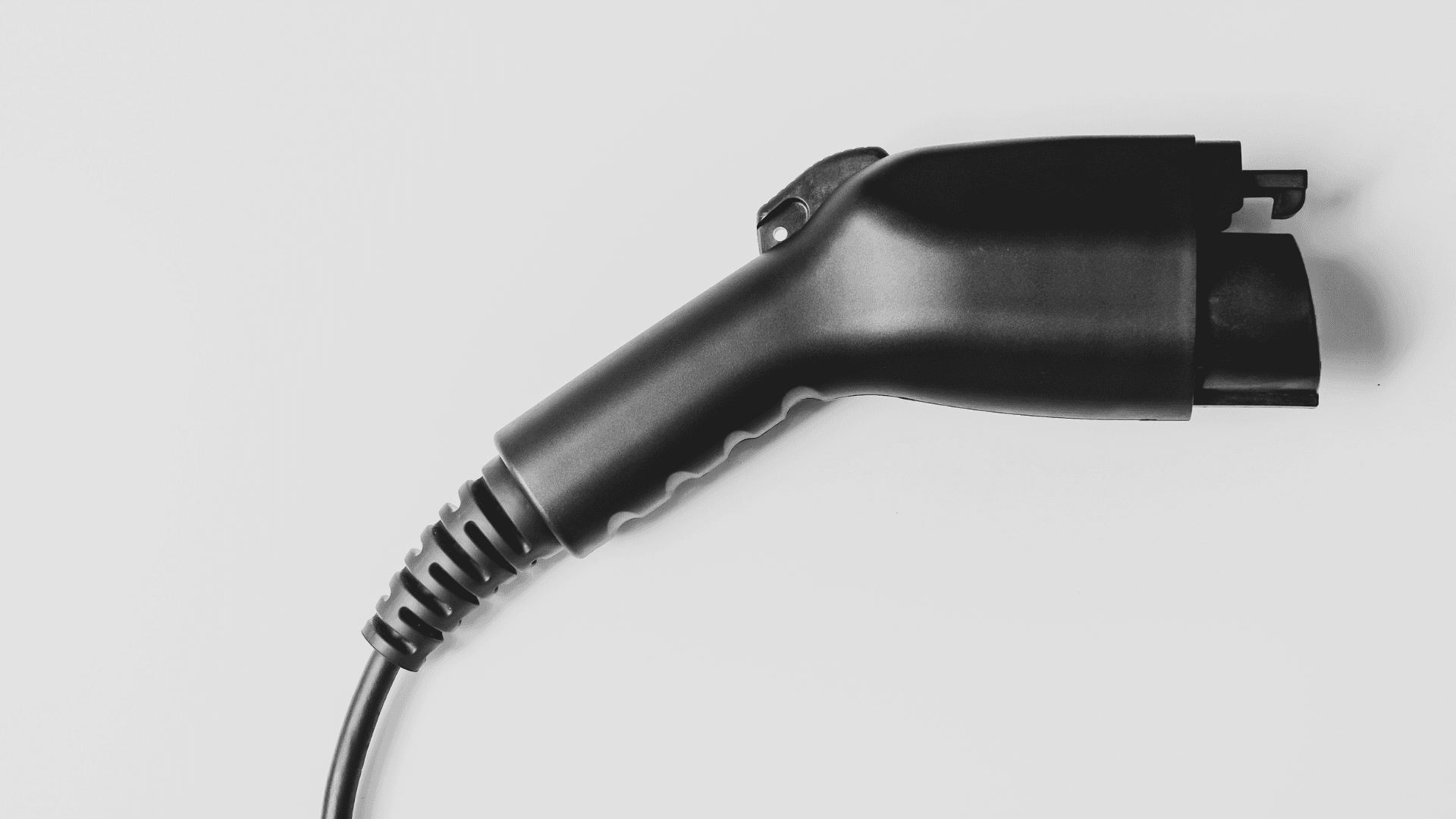
Efficiency Maine currently offers $400 toward a qualifying Level 2 charger that is connected to the internet and set to pause during the weekday peak from 5 to 9 p.m.: $200 off at purchase and a $200 check after setup, limited to two per address. Goodnow Electric installs Tesla Wall Connectors and universal J1772 units, runs the circuit from the panel to the garage or an exterior wall, and pulls the electrical permit through Falmouth's code office so the installation is inspected. For a detached garage or a charger at the end of a long driveway, conductor size and trenching are planned into the written estimate rather than discovered on the day. If a second electric car is likely within a few years, running conductors sized for two chargers now, or choosing units that share one circuit, saves opening the wall a second time.