Limerick’s houses fall into two very different wiring stories. In the Upper Village Historic District, the buildings along Main Street were developed from about 1800 into the early 1900s, which means electrical systems added decades after construction: knob-and-tube, cloth-insulated cable, ungrounded outlets and splices hidden in plaster walls. Across the rest of town, where nearly half of homes date from 1980 to 1999 and another 30 percent from 2000 on, wiring is generally modern but was laid out for fewer appliances, fewer screens and far fewer outdoor circuits than people now expect. Mobile homes, about 6 percent of Limerick’s housing, have their own wiring methods and should be checked before any addition ties into them.
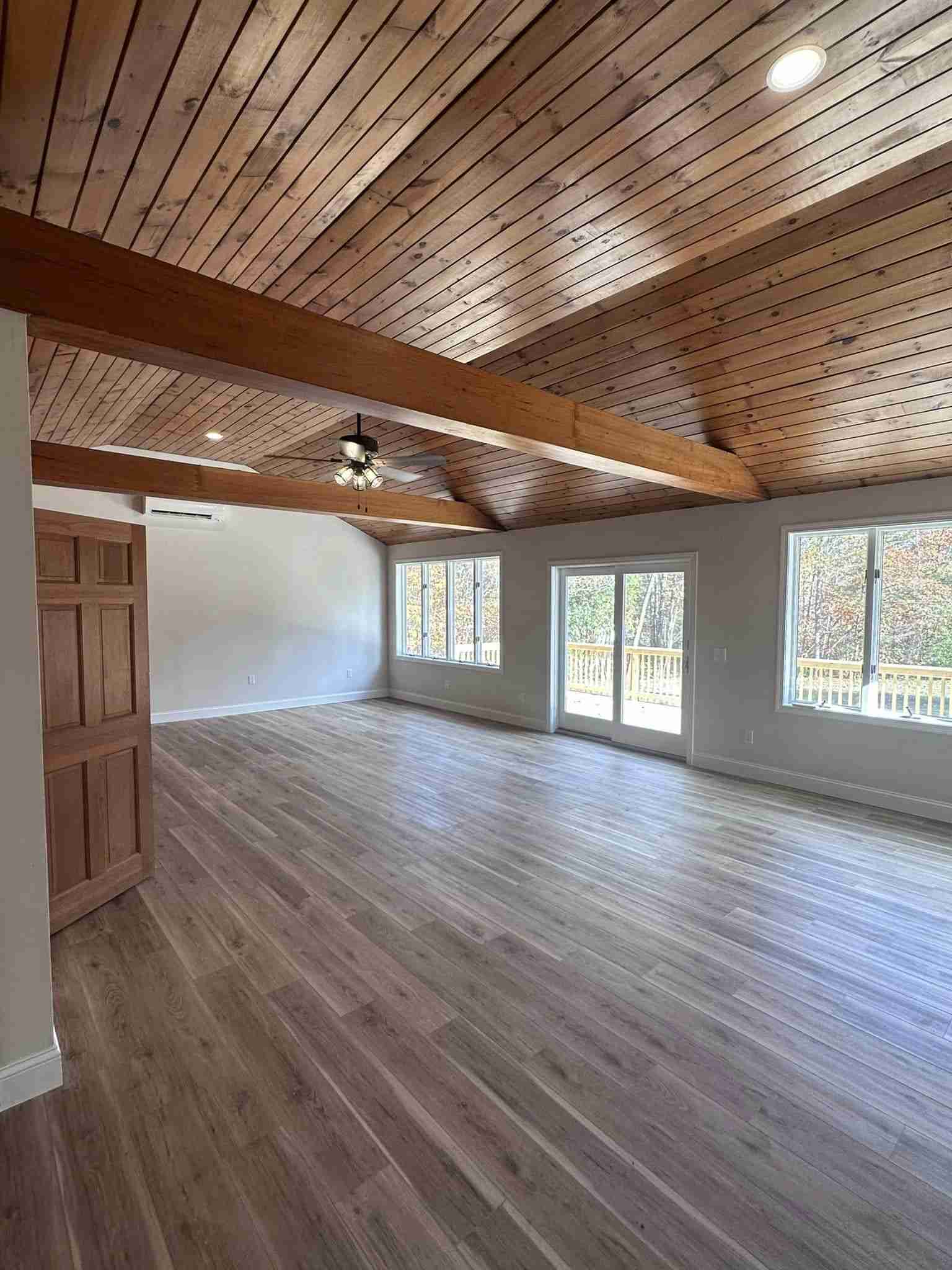
Remodels are when those gaps show. A kitchen renovation in a 1990s cape needs dedicated small-appliance circuits and GFCI protection; a finished basement needs AFCI protection and enough outlets; a new bathroom needs its own circuit. Houses around Lake Arrowhead, a subdivision begun in the 1960s that Limerick shares with Waterboro, span every decade since and may carry an early addition or two that should be checked when walls come open. In the village, rewiring an old house usually means working carefully through plaster and trim so the building keeps its character. Fishing new cable through balloon-framed walls and attics is slower than new construction but saves original finishes.
Electrical work in Limerick is permitted and inspected through the state Electricians’ Examining Board, while the town’s code office issues building and plumbing permits, so a remodel may involve both. Sorting out early which office signs off on which part keeps an inspection from holding up the drywall. Goodnow Electric handles troubleshooting, outlets and switches, GFCI and AFCI upgrades, remodel and addition wiring, and rewiring of knob-and-tube and aluminum circuits. The owner is on site for the work, and each job starts with a free written estimate that says what the permit covers. If a remodel uncovers older wiring behind a wall, the choices are explained before anything changes on the bill.