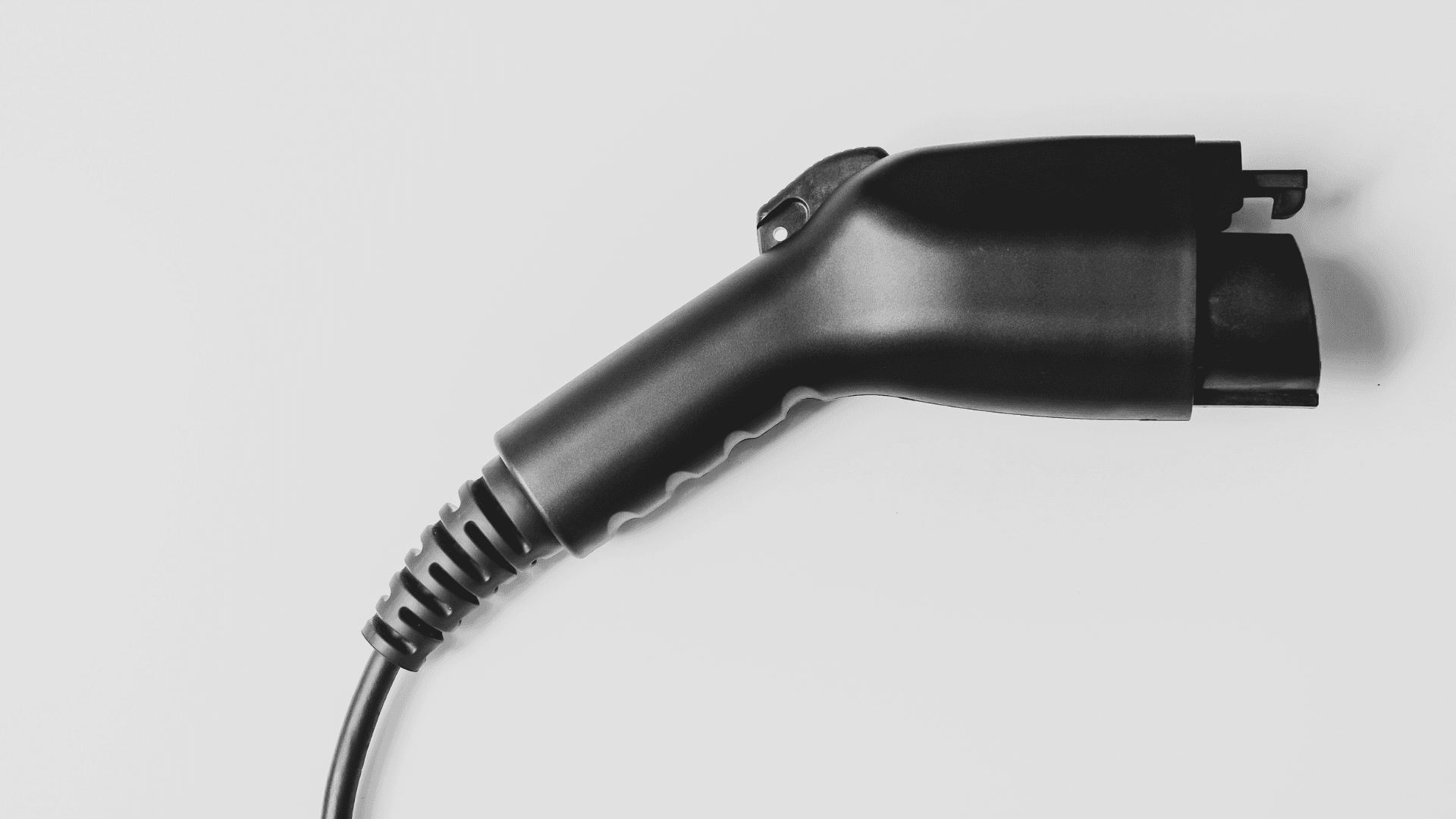
Limerick sits where Routes 5, 11 and 160 meet, and most of its homes are single-family houses with a driveway or attached garage, a good setup for charging at home. Nearly 90 percent of homes are owner-occupied, which makes a hardwired installation a long-term fixture rather than a renter’s workaround. A Level 2 charger on a 240-volt circuit adds a day’s driving in a few overnight hours, which matters on a winter morning when cold cuts into battery range and the trip out to Sanford, Waterboro or Standish starts in the dark. Charging at home also means the car leaves each morning warm if it was preconditioned while still plugged in, which spares the battery on the coldest days of the year.
The panel check comes first. Homes built between 1980 and 1999, about half of the town, often have services with room for one large new load but not three, and an EV charger may be competing with a well pump, an electric dryer and future heat pumps. Goodnow Electric calculates the load before recommending a hardwired or plug-in charger, a Tesla Wall Connector or a universal unit, and sizes the circuit accordingly. When capacity is tight, the choices are a lower-amperage circuit, a charger that manages its own load, or a service upgrade, and you get those options in writing with no surprise add-ons. Homes that plan to add heat pumps later are best sized for both loads at once.
Efficiency Maine’s off-peak charger program currently offers a $200 discount code on a qualifying networked charger plus a $200 set-up bonus once it is online, and those chargers pause from 5 p.m. to 9 p.m. by default to stay off the evening peak. Placement is part of the plan: a garage wall near the panel keeps the run short, while a post at the end of a long driveway may need a trench. The electrical permit for the new circuit is filed with the state board and the work is inspected. The owner is on site for the installation, and the finished circuit is labeled in the panel so it is easy to find later.