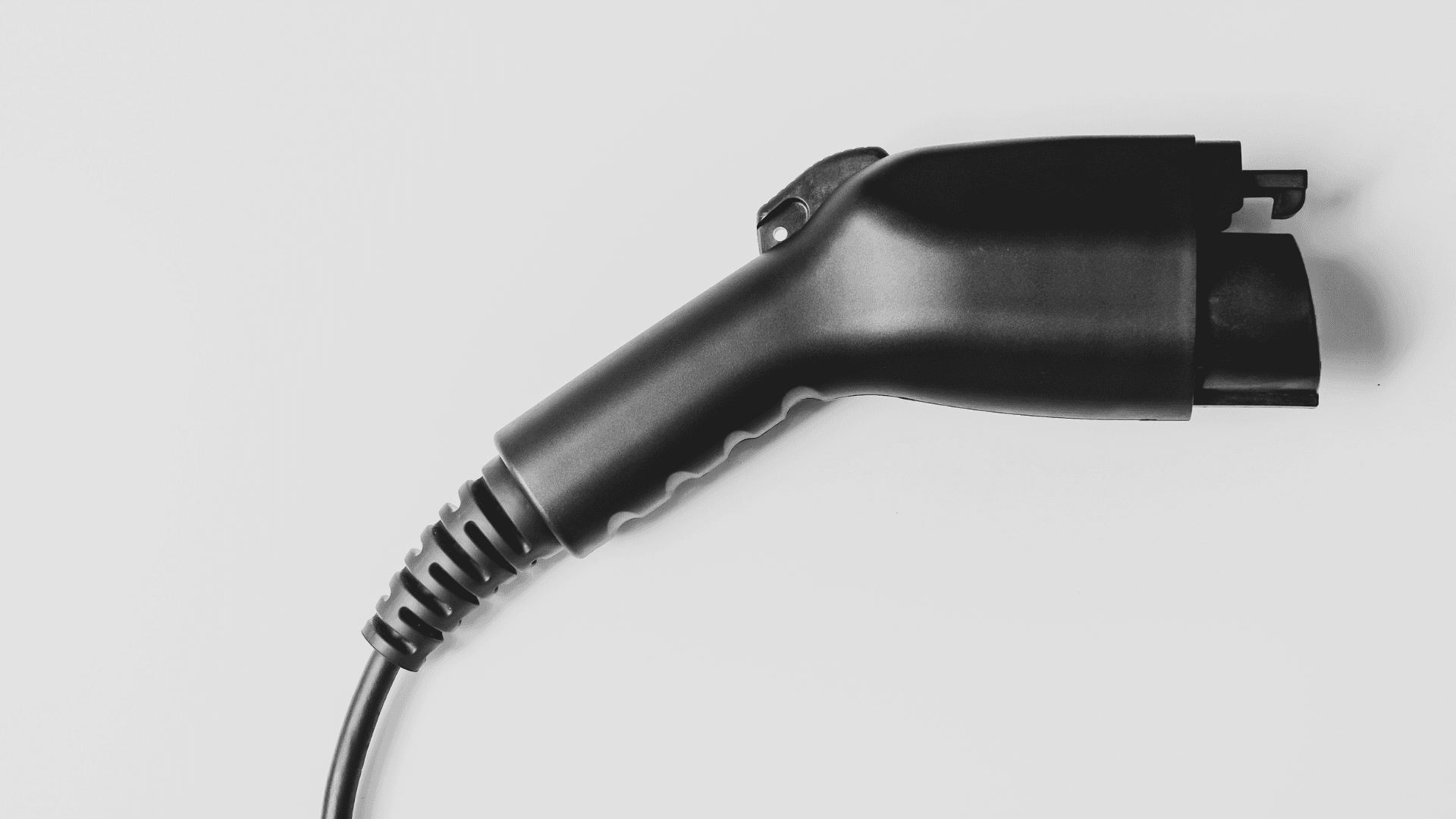
Goodwins Mills is Lyman's only business center, so most errands and commutes mean driving to Biddeford and Saco, Sanford, Kennebunk or the turnpike along Routes 202, 5, 35 and 111. For an electric car, that pattern points to charging in your own driveway. A 240-volt Level 2 charger puts back a full day's miles while you sleep, something a regular outlet often cannot manage, and it hands you a full battery on cold winter mornings when range drops and the heater draws power. With about 95 percent of Lyman homes owner-occupied and most of them single-family houses, nearly every driver has a garage or driveway to work with.
The panel comes first. A 1970s ranch on 100 amps that already runs a well pump and an electric water heater may be short of the 40 or 50 amps a charger wants, and a heat pump project planned for next year will claim even more. Working through the house's total load tells you whether the charger can go in now at full power, whether it should be set to draw less, or whether the service needs enlarging before anything else. On larger rural lots, the garage or barn may sit well away from the house, so the circuit may need to run underground. An outdoor-rated charger should be mounted where snow sliding off a roof or pushed by a plow will not bury it.
Buy a qualifying Level 2 charger through Efficiency Maine's off-peak store and the program returns $400 in two halves: $200 at checkout, and $200 after the unit is online and enrolled in its app within six months. The trade is that it waits out the weekday evening peak between 5 and 9 before drawing power. Goodnow Electric can hardwire a Tesla Wall Connector or a universal unit, or set a 240-volt receptacle for one that plugs in, and files Lyman's electrical permit so the town inspector looks at the circuit before the car is ever connected. If a heat pump or service upgrade is on the list too, planning all three together avoids paying for the same trench or panel work twice.