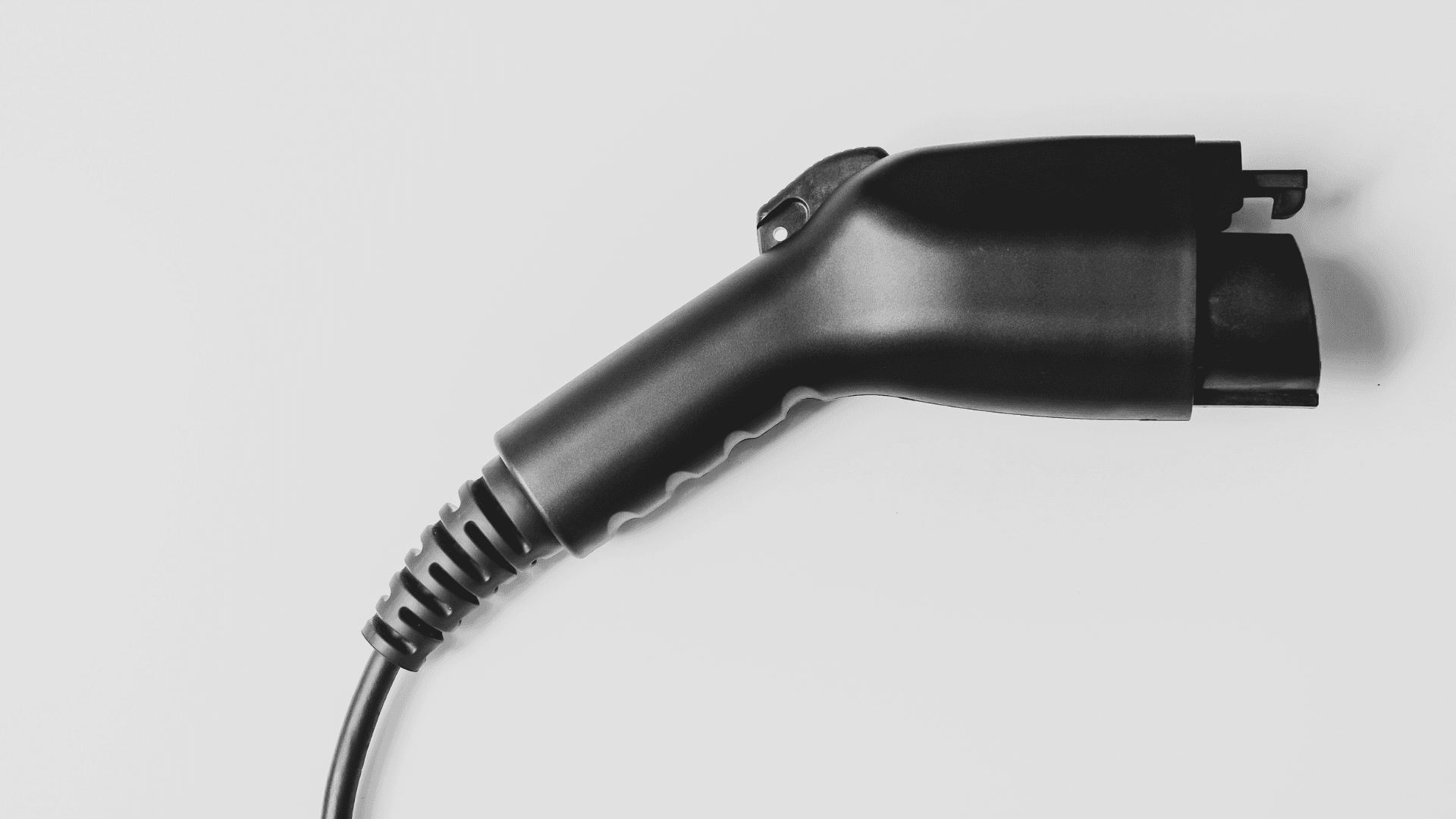
Dayton borders Biddeford and Saco, and Routes 5 and 35 carry daily trips toward both, with Interstate 95 passing just outside the town line; the town's own school ends at grade 5, so older students travel too. An electric car suits that routine if it leaves home charged every morning, and a 240-volt Level 2 charger makes that simple. It refills a day's driving overnight, which a standard outlet often cannot, and it lets you precondition the car on cold mornings, when Maine winters cut battery range. With about 90 percent of Dayton homes owner-occupied, most drivers can place a charger right where they park.
Dayton's relatively new housing helps: a newer home is more likely to have an attached garage near the panel, which keeps the charger circuit short. The open question is capacity. Put a charger on a 100- or 150-amp panel already feeding a well pump, an electric water heater and a dryer, and there may be no 40 or 50 amps to spare, particularly once heat pumps join the list. Running the numbers settles it: the charger goes in as planned, goes in turned down to a smaller current, or waits for a larger service. Detached garages can be fed underground, and outdoor units need a spot the plow and roof snow will not bury.
Through Efficiency Maine's off-peak program, a qualifying Level 2 charger from its online store costs $400 less: half comes off at checkout, and the other $200 follows once the charger is online and registered in its app within six months. In return it holds off between 5 and 9 on weekday evenings and does its work overnight instead. Hardwired installs cover the Tesla Wall Connector and universal chargers alike, and plug-in models get a properly rated 240-volt receptacle; Goodnow Electric takes care of any permit and inspection involved. Where a heat pump or service upgrade is also planned, sizing the panel for all of it at once avoids paying for the same work twice, and the charger can go in the same day the new panel is finished.