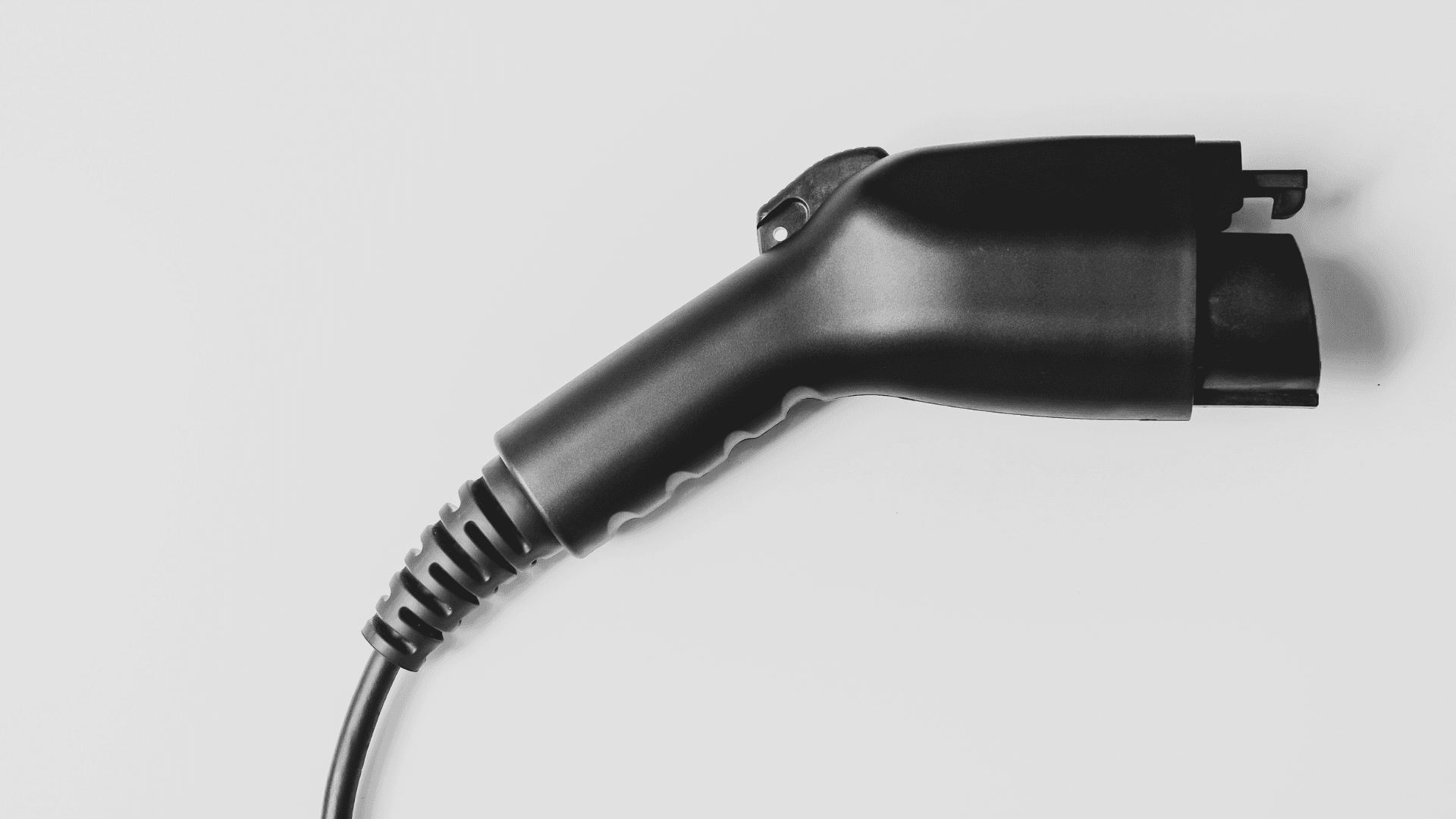
Alfred sits between Sanford, Waterboro and Kennebunk, and most trips out of town, to work, to shopping or to the turnpike, mean steady miles on rural highways such as Route 202. An electric car handles that well when it starts each day full, and a Level 2 charger at home is what makes that happen. A 240-volt circuit refills the battery overnight in a way a standard outlet cannot, which matters most in January, when cold weather cuts range and the car needs power to heat the cabin. About 82 percent of Alfred homes are owner-occupied, so most drivers can put a charger exactly where they park.
The first step is checking whether the panel can carry it. Many Alfred homes heat with oil today but plan heat pumps soon, and a charger that fits on a 100-amp service now may not fit after the heat pumps go in. Planning both together avoids running out of room later. Placement follows the property: an attached garage near the panel keeps the run short; a detached garage or barn may need an underground feeder; a charger on an outside wall needs an outdoor-rated unit mounted where snow sliding off the roof and the plow will not bury it. Mobile homes need a close look at the service before any charger is added.
Efficiency Maine's off-peak program knocks $400 off a qualifying Level 2 charger bought through its store, $200 at checkout and the rest after the unit is online and linked to its app within six months. In return, the charger sits idle on weekday evenings from 5 until 9 and fills the car overnight. Goodnow Electric can hardwire a Tesla Wall Connector or a universal charger, or put in a 240-volt receptacle if yours plugs in, and takes care of whatever permit and inspection apply. The estimate is free and in writing, and it covers the circuit, the charger location, any panel work and the cable route, so you can compare it fairly with the rebate in hand. A charger can also be added later to a panel that was upgraded with it in mind.