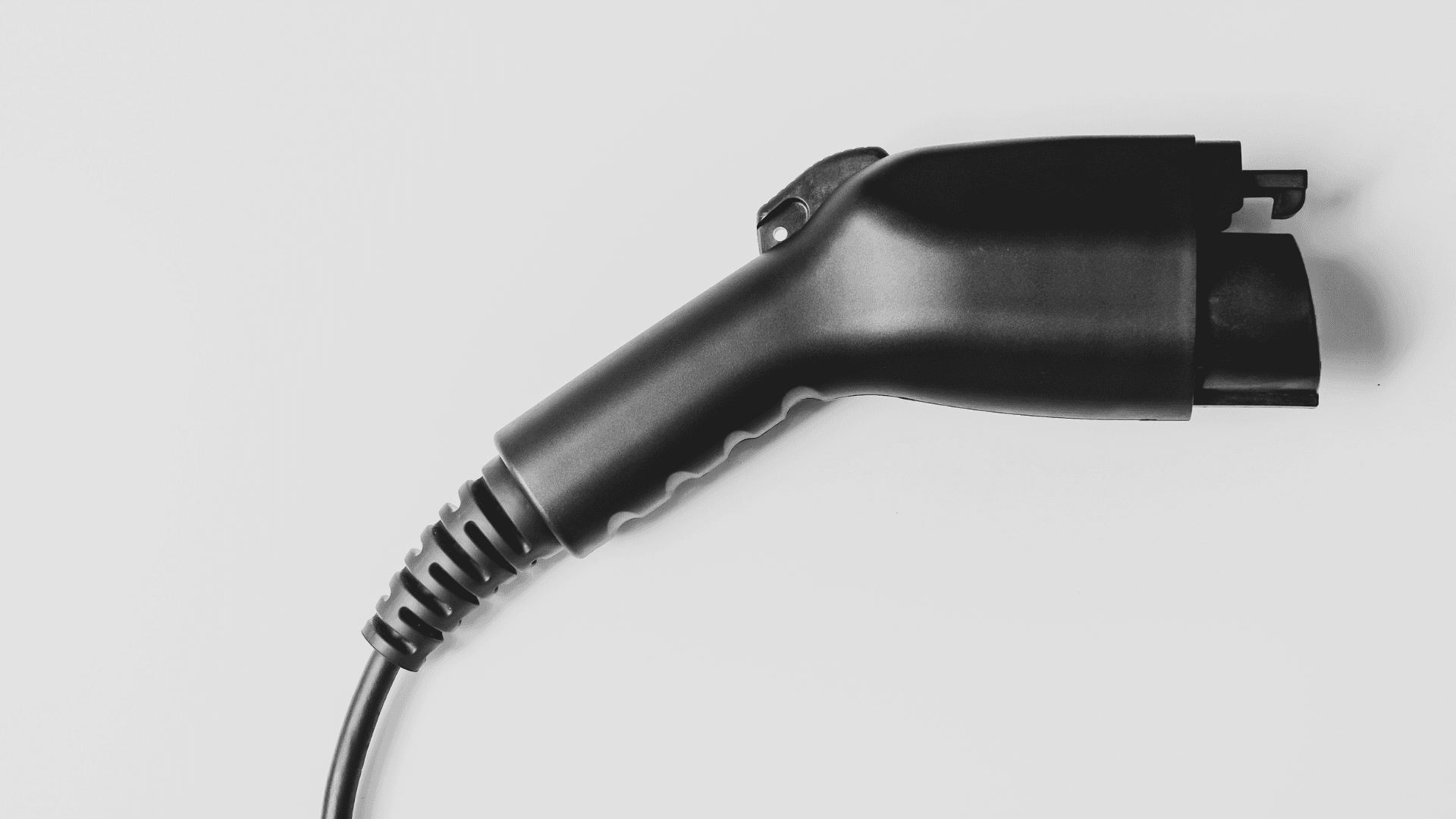
In a rural town where errands, school runs and commutes head out along Route 9, Route 115 or Route 231, public charging is not something to build a daily routine around. That makes home charging the backbone of any EV here. A Level 2 charger on a 240-volt circuit can put back a full day of rural driving overnight, which matters most in winter, when cold batteries lose range and the heater draws power on every trip. About 94 percent of the houses in town are detached single-family homes with their own driveways, and many have a garage, which keeps the installation straightforward. A charger mounted inside an attached garage stays out of the snow and the plow's reach, and the car starts every winter morning with a warm, full battery instead of a cold one.
The panel decides how simple the job is. A house with a 200-amp panel and room to spare usually takes a 40- or 48-amp charger circuit without trouble. A 1980s colonial on 150 amps is another story once its electric range, dryer, well pump and a pair of new heat pumps are counted. After a capacity check, the choice is between a hardwired unit and a 240-volt receptacle for a plug-in charger; Tesla's Wall Connector is hardwired, while many universal J1772 chargers can go either way. A charger with dynamic load management can share capacity with the well pump or water heater when the panel is close to full, instead of forcing an immediate upgrade.
Where the car is parked in a detached garage or barn on one of North Yarmouth's larger lots, running a charger circuit to it usually means a trench with conduit at the correct burial depth, or a feeder and subpanel if the building needs other power as well. Efficiency Maine's off-peak charger incentive is worth $400 on an eligible unit, $200 off at checkout and $200 more once it is set up, provided the charger keeps its default pause during the weekday 5 to 9 p.m. peak. The installation goes through a North Yarmouth electrical permit and a town inspection before it goes into daily use. If solar panels or a future battery are part of your plans, it is worth saying so at the start, because the charger, the inverter and the panel all compete for the same breaker space and the same service capacity.