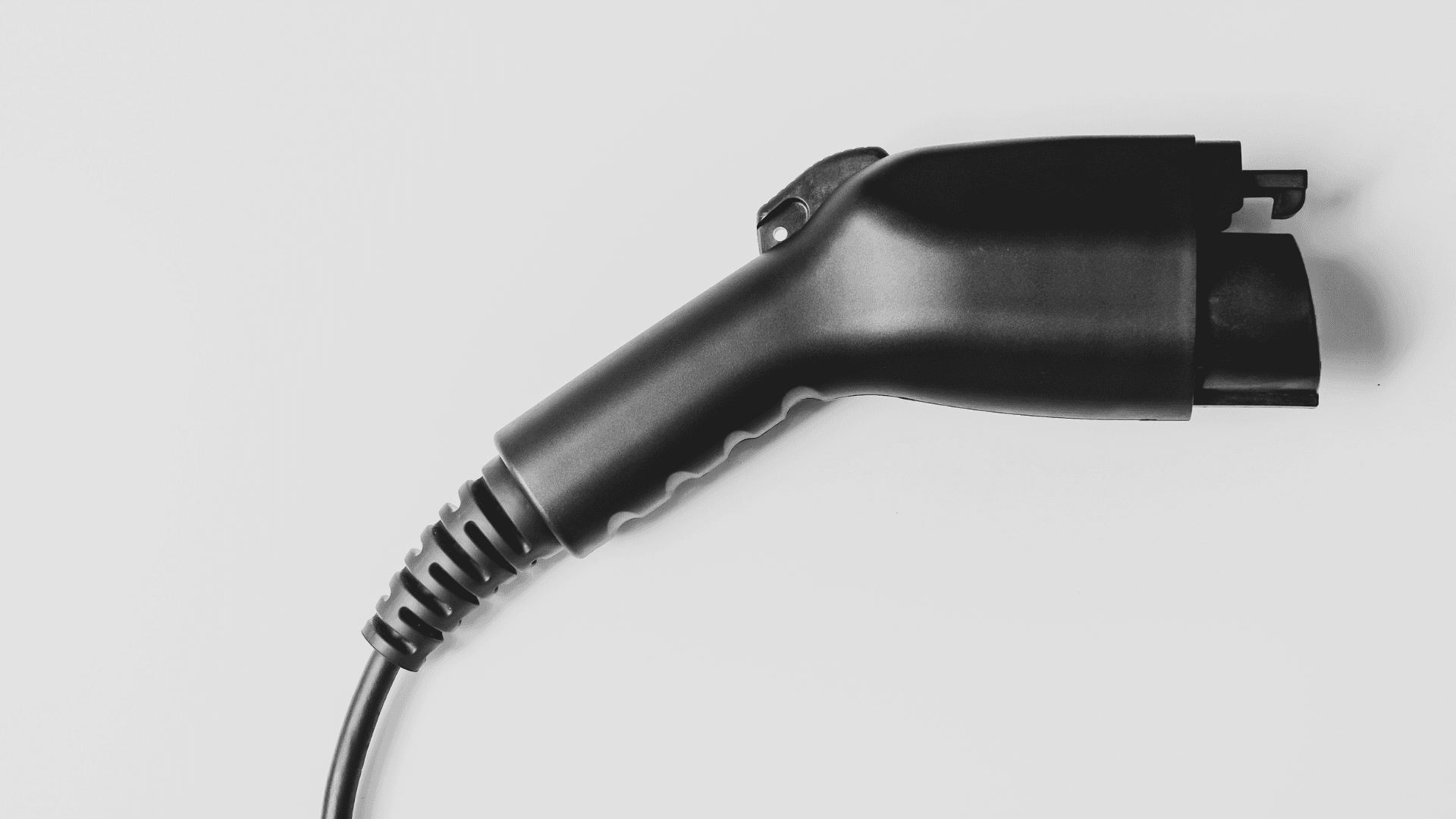
I-295 has two exits in Yarmouth, 15 and 17, and Route 1 runs alongside it, so a trip south to Portland or north toward Freeport and Brunswick starts within minutes of most driveways. Those runs are short enough that an EV rarely needs public charging, as long as it can refill at home. A Level 2 charger on a 240-volt circuit replaces a winter day's driving overnight, even when cold weather cuts range and the heater runs on every trip. For homes on Cousins Island, where every errand starts by crossing the Snodgrass Bridge, reliable home charging is the difference between an EV that works and one that needs planning.
The age of Yarmouth's houses sets the job. A 1970s ranch or split-level with a detached or tuck-under garage may have a 100-amp panel that already carries an electric range, a dryer and possibly a heat pump. Capacity comes first; once the numbers are known, the charger is either hardwired or fed from a 240-volt outlet, and both Tesla's Wall Connector and universal J1772 units are common choices. Where the panel is close to its limit, a charger with dynamic load management can share capacity with other appliances rather than forcing an upgrade, and where the panel is also old or undersized for planned heat pumps, it may make more sense to do both at once.
In older village homes near Main Street, the practical question is often parking. A charger needs a dedicated spot close enough to the panel for a reasonable wire run, or a trench to a post by the driveway. Efficiency Maine offers $400 toward an eligible off-peak Level 2 charger, $200 at purchase and $200 once it is installed, for chargers that pause during the weekday 5 to 9 p.m. peak. The installation is covered by a Yarmouth electrical permit and inspected by the town's electrical inspector before you start charging every night. On a two- to four-unit building, a charger for one tenant usually has to come from that unit's own panel or a separately metered circuit, which is a conversation to have with the owner before any wire is pulled.