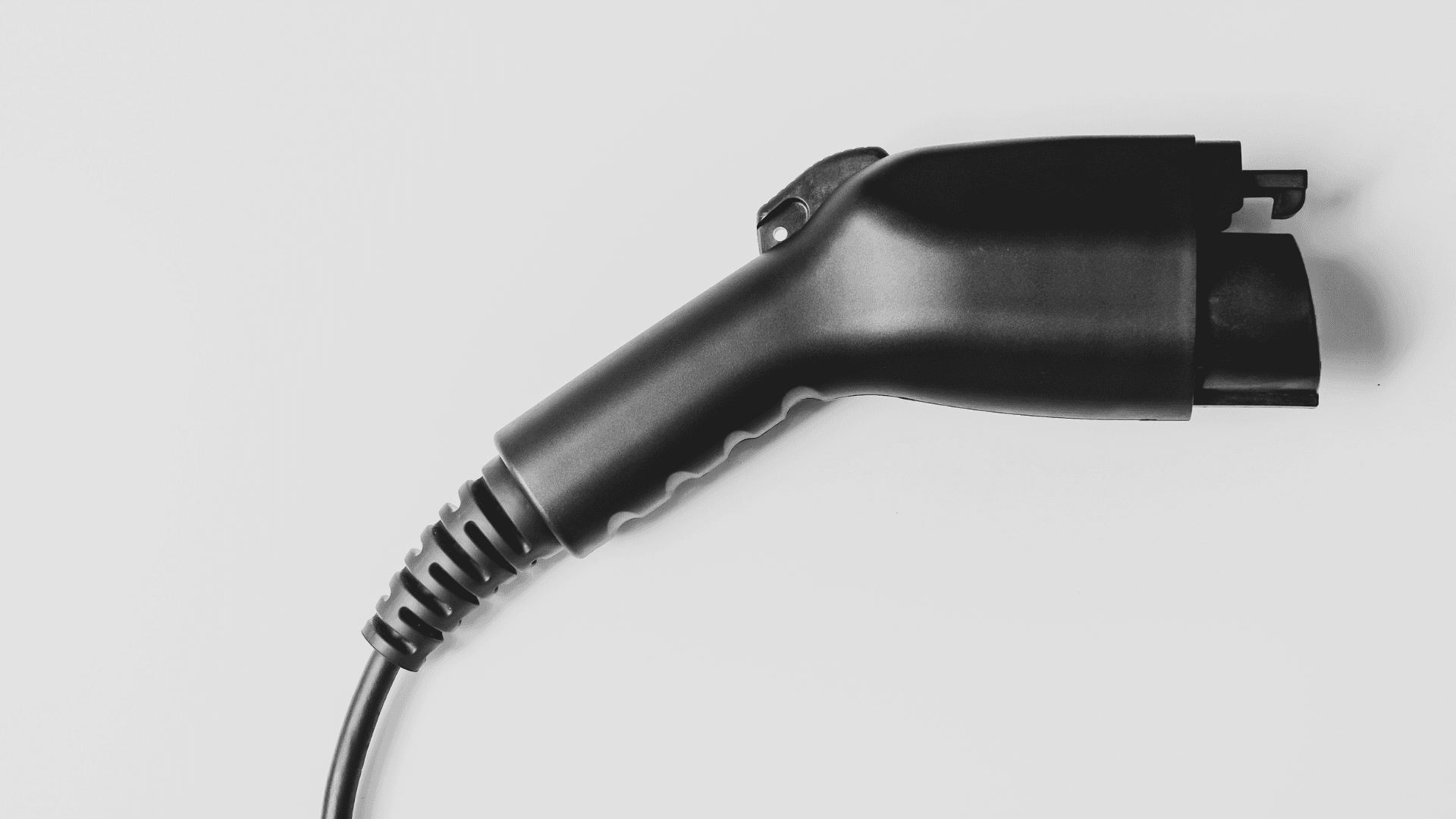
Sebago is a long way from the turnpike. Routes 11, 107 and 114 connect the town to Bridgton, Naples, Standish and Baldwin, and a trip to Greater Portland runs through the lake towns to the east. For a household that drives those distances daily, a home Level 2 charger is what makes an electric vehicle practical. Plugged in at night, a 240 volt unit puts back a full day's range by morning. Winter is when that counts: cold air shortens battery range, and warming the cabin on a January drive home from Portland draws down the pack further. A standard 120 volt outlet can take the better part of a weekend to refill a battery that a Level 2 charger handles in one night.
About 85 percent of Sebago homes are detached single-family houses, most with a driveway of their own, so a charger typically lands in an attached garage or on an exterior wall beside where the car sits. The panel comes first. Roughly one house in six here already heats with electricity, and many older services top out at 100 amps, so some homes have little headroom for the 40 or 48 amp circuit a charger typically wants. Goodnow Electric fits both hardwired and plug-in models, from the Tesla Wall Connector to universal units, and works through a load calculation before settling on a charger size or calling for a bigger service. Converting electric baseboard heat to heat pumps can sometimes free enough capacity to avoid a bigger service.
Right now Efficiency Maine puts $400 toward a qualifying off-peak Level 2 unit: $200 comes off at the register and the other $200 arrives once it is set up. In return the charger sits idle from 5 to 9 on weekday evenings, the grid's priciest hours, and a one-day override covers the night you need a charge early. A charger added to a detached garage is covered by Sebago's own electrical permit, which lists garages as a separate item, and the circuit is inspected by the town before it is closed in. Goodnow Electric handles that permit and gives a free written estimate first. If a second electric vehicle is likely, plan the circuit and panel space for it now; running the wire once is cheaper than running it twice.