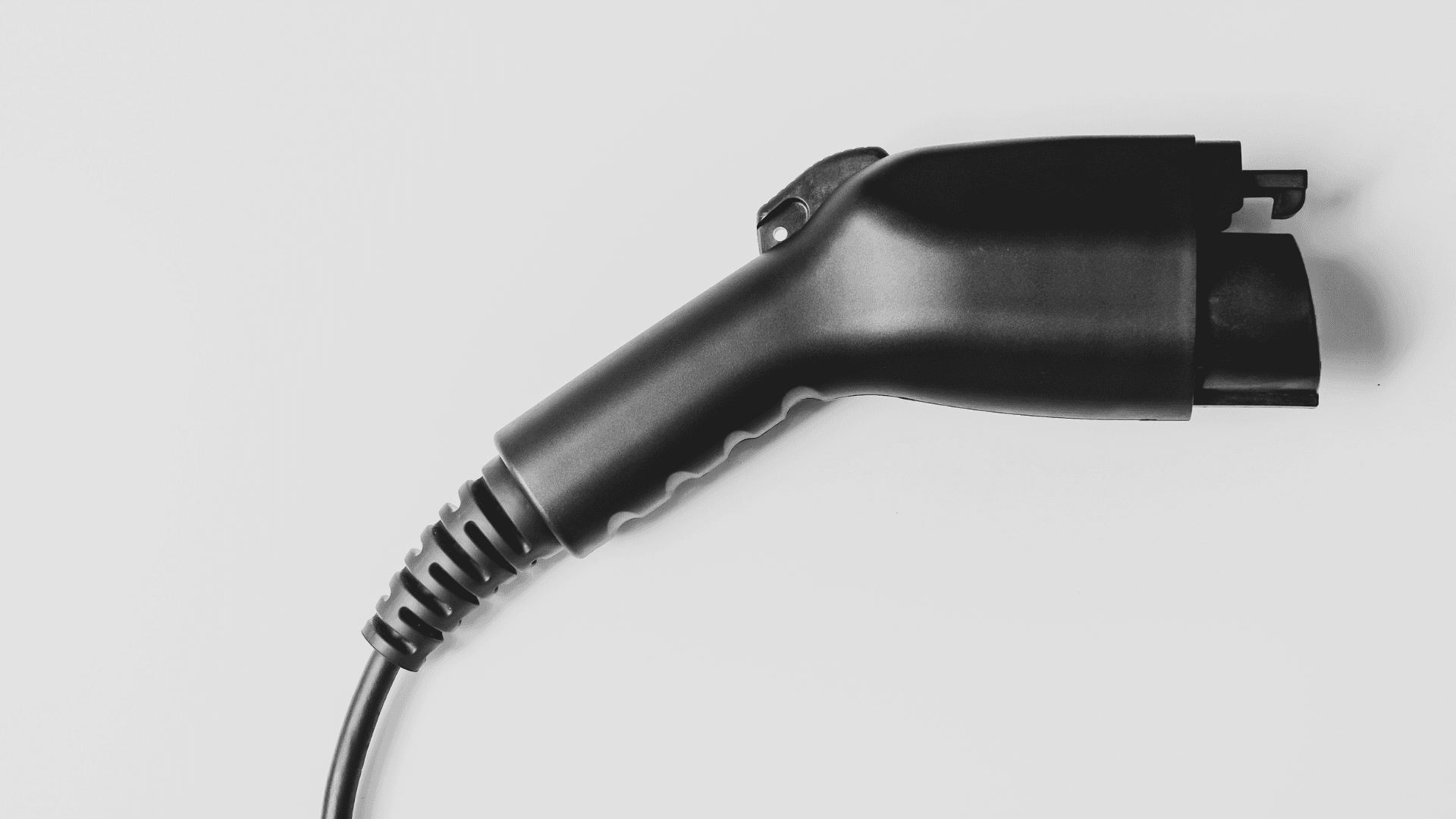
Few trips in Harrison are short. State Routes 35 and 117 are the main roads out of town, and many errands, commutes and appointments mean driving to a neighboring town and back. An electric car handles that easily in summer, but a Maine winter cuts range noticeably, and cabin heat takes its share. Overnight, a Level 2 charger on its own 240-volt circuit puts back a whole day of driving, which a standard household outlet often cannot. Public fast chargers are not something to count on in a rural lake town, so home charging is what makes an EV practical here as a primary car rather than a second one. Preconditioning the battery while the car is still plugged in also saves range on the coldest mornings.
Installation is usually straightforward, because Harrison is a town of detached houses, roughly 90 percent of them lived in by their owners, and most come with a garage, carport or driveway and no landlord to consult. Charging in a garage set apart from the house can mean trenching a feeder out from the main panel, and an outdoor charger should be mounted where roof snow and the plow cannot reach it. Whether the right answer is a Tesla Wall Connector, a charger that fits any make, or a plug-in model on a 240-volt receptacle depends on what the panel can spare, so Goodnow Electric checks that first. In a 1970s house on 100 amps, that check may point to a load-managed charger or to an upgrade done alongside.
Through Efficiency Maine, an off-peak capable Level 2 charger currently earns up to $400: $200 off at checkout, and another $200 once the unit is online and registered in its app no more than six months after purchase. Chargers must be delivered to and installed at a Maine address, two at most per address, and the incentive is aimed at households billed on a time-of-use rate. For a camp used on weekends, scheduled charging means the car is ready for the drive home on Sunday without running up peak-hour use. The new circuit falls under the state electrical permit system, which Goodnow Electric files and closes out.