Wells is well placed for electric driving. The Maine Turnpike's Exit 19 is in town, Route 1 runs the length of it, and the town's regional transportation center is a Downeaster stop. The town lists six public charging locations: Wells Corner Shopping Center on Post Road, Haven by the Sea, the Wells Reserve at Laudholm on Skinner Mill Road, Wells Harbor on Harbor Road, Wells Parks and Recreation on Branch Road and Town Hall on Sanford Road. Those are useful top-ups, but a car that commutes to Portsmouth or Portland is best charged at home overnight, particularly in winter, when cold batteries hold less range and preheating the cabin draws extra power.
Most homes in Wells are single-family houses with driveways, so a Level 2 charger usually goes on a garage wall or on a post beside the driveway. The panel is the main question. A newer house may have room for a 48-amp circuit; an older cottage or a mobile home with a 100 amp service may not, especially if it already runs electric heat or a heat pump. Then something has to give first: the charger is set to draw less, a device is added to share capacity with the rest of the house, or the service gets bigger. Summer residents who bring an EV to a cottage for a few months can often get by with a 30-amp circuit, which may fit a small panel that a 48-amp charger would overwhelm.
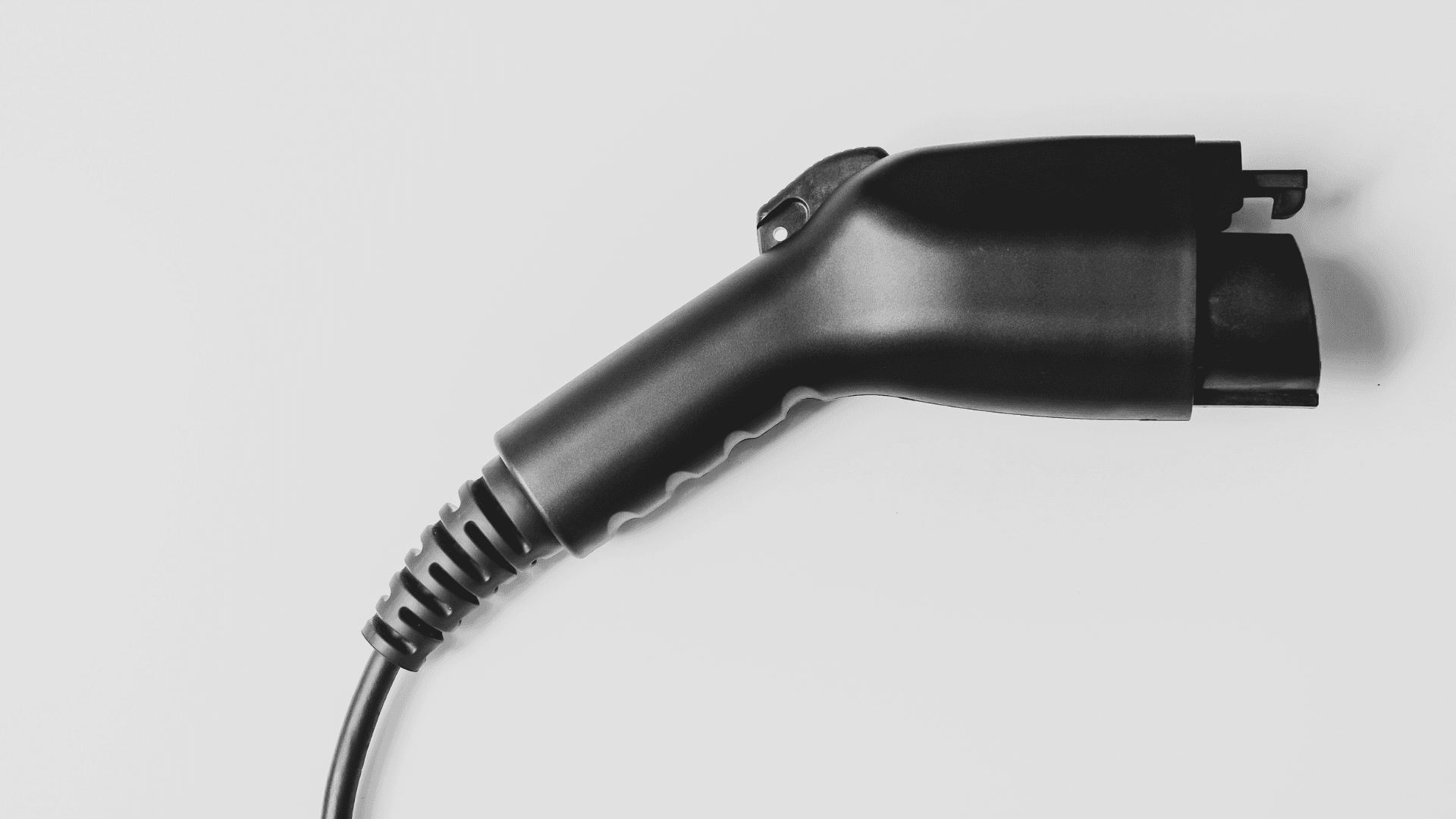
Nothing gets ordered until Goodnow Electric has checked the panel; the charger itself can be a hardwired Tesla Wall Connector, a universal hardwired model or a plug-in unit. An Emporia Level 2 charger that rests through weekday evenings from 5 to 9, on a time-of-use rate, currently draws $400 from Efficiency Maine's off-peak program: $200 off up front, then $200 once setup is complete. The program allows up to two chargers per address. Chargers mounted outside should be rated for wet locations and placed above drifting snow and salt spray. The electrical work falls under the state's permitting rules in Wells, and Goodnow Electric handles that paperwork.