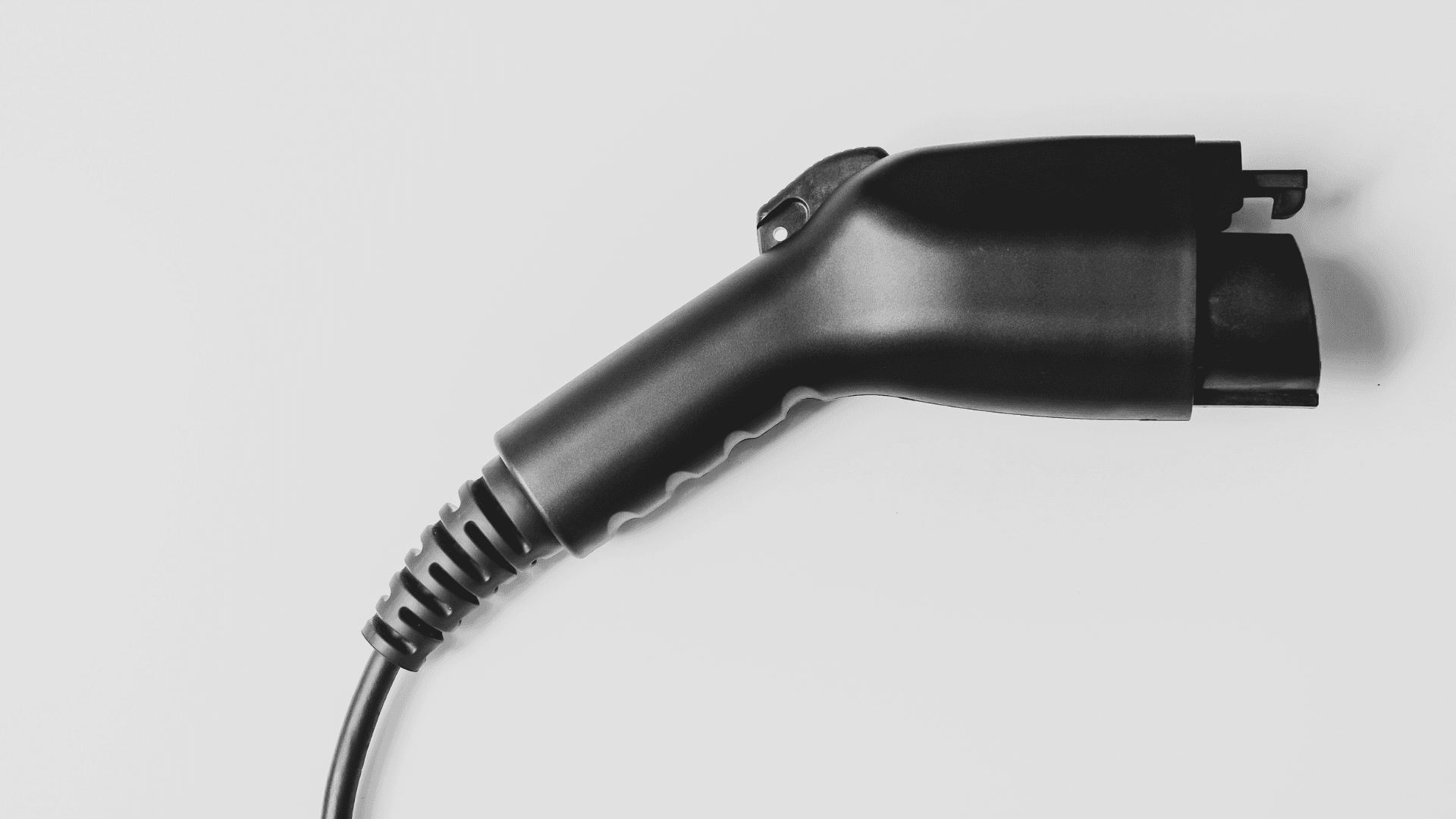
From Bailey Island or the southern end of Harpswell Neck, the drive to Brunswick for groceries, school or work is a meaningful round trip before anyone heads toward Portland. That makes home charging the backbone of EV ownership here, since a charger at home is the one that is always there. Hooked to a 240-volt circuit, a Level 2 unit has the car full again by breakfast, and the extra speed earns its keep in January, when the cold trims the pack's range and the heater draws on it all the way home down the shore roads.
Because nearly every Harpswell house sits on its own lot, there is almost always a garage wall or a spot by the driveway to mount one. Where the garage or barn is detached, the charger needs a feeder run from the house panel, either underground or along the building. On older cottages, the first question is whether the service can carry a 40- or 48-amp charging circuit at all; a load-managed charger can sometimes share capacity, while other homes need a panel upgrade first. Outdoor chargers near the water should be rated for the weather and mounted with corrosion-resistant hardware, because salt spray shortens the life of exposed connectors. For a seasonal home, a charger with scheduling and remote controls can be left off for months and switched on before the family arrives, and a cord holster keeps the connector out of blowing snow and sand.
Goodnow Electric measures what the service can spare, then installs a charger to suit, a Tesla Wall Connector or a universal model, plugged or hardwired. Harpswell has no town electrical permit; this one goes to the state board. A charger that sits out the weekday 5-to-9 p.m. window can bring $400 from Efficiency Maine, half off the price at checkout and half once it is set up. Given how often storms cut power here, it is also worth knowing that a car charged overnight is one more battery the household has on hand when the lines come down.