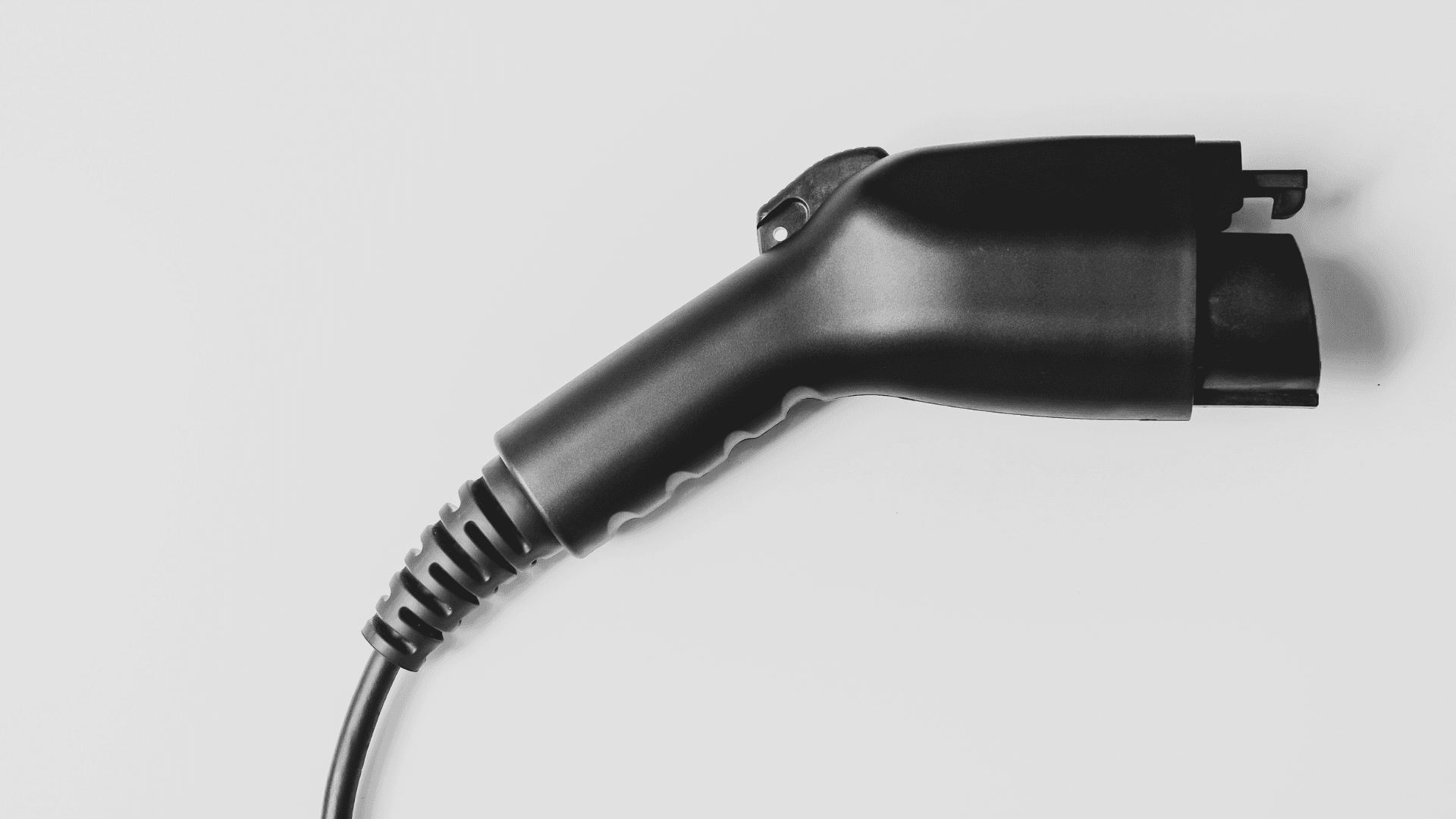
Limington is a driving town. It is about nine miles long, crossed by Routes 11, 25 and 117, and a trip to Standish, Gorham, Buxton or Sanford means miles of two-lane road each way. With nine in ten homes owner-occupied and almost all of them single-family houses on their own lots, the natural place to charge an electric vehicle is at home. Left on a 240-volt Level 2 circuit overnight, a car starts the day full after an ordinary day’s miles, which counts on a winter morning when cold batteries and cabin heat both cut into range on the back roads between Limington village and the Saco River.
Before any charger is picked out, the panel gets checked. A big share of Limington houses date from 1960 to 1999 and were often wired with 100-amp services, and an EV pulling 32 to 48 amps through a long overnight session competes there with the well pump, the water heater if it is electric and, once oil is retired, heat pumps. Goodnow Electric does that load math first. The result decides between a hardwired and a plug-in unit, between a Tesla Wall Connector and a universal model, and what breaker and wire the circuit needs. Where capacity runs short, the two ways out, a charger that throttles itself or more amps from the utility, are laid out up front rather than added as a surprise. Mounting location matters too: a garage wall close to the panel keeps the circuit short, while an outdoor pedestal suits a driveway where the car sits in the weather.
Efficiency Maine’s current offer on a qualifying off-peak charger comes in two $200 pieces: a discount code at purchase, then a bonus after the unit is connected and registered in its app. Out of the box, those chargers sit idle through the 5-to-9 p.m. peak window. On the town side, Limington’s permit form counts most new circuits as permitted work: the code office issues the permit, and its electrical inspector has to approve the wiring before anything covers it. Detached garages, long trenches to a barn and houses on ponds such as Boyd, Dole or Horn each change the route, and the written estimate spells that out. From the first wire to the final check, the owner stays on the job.