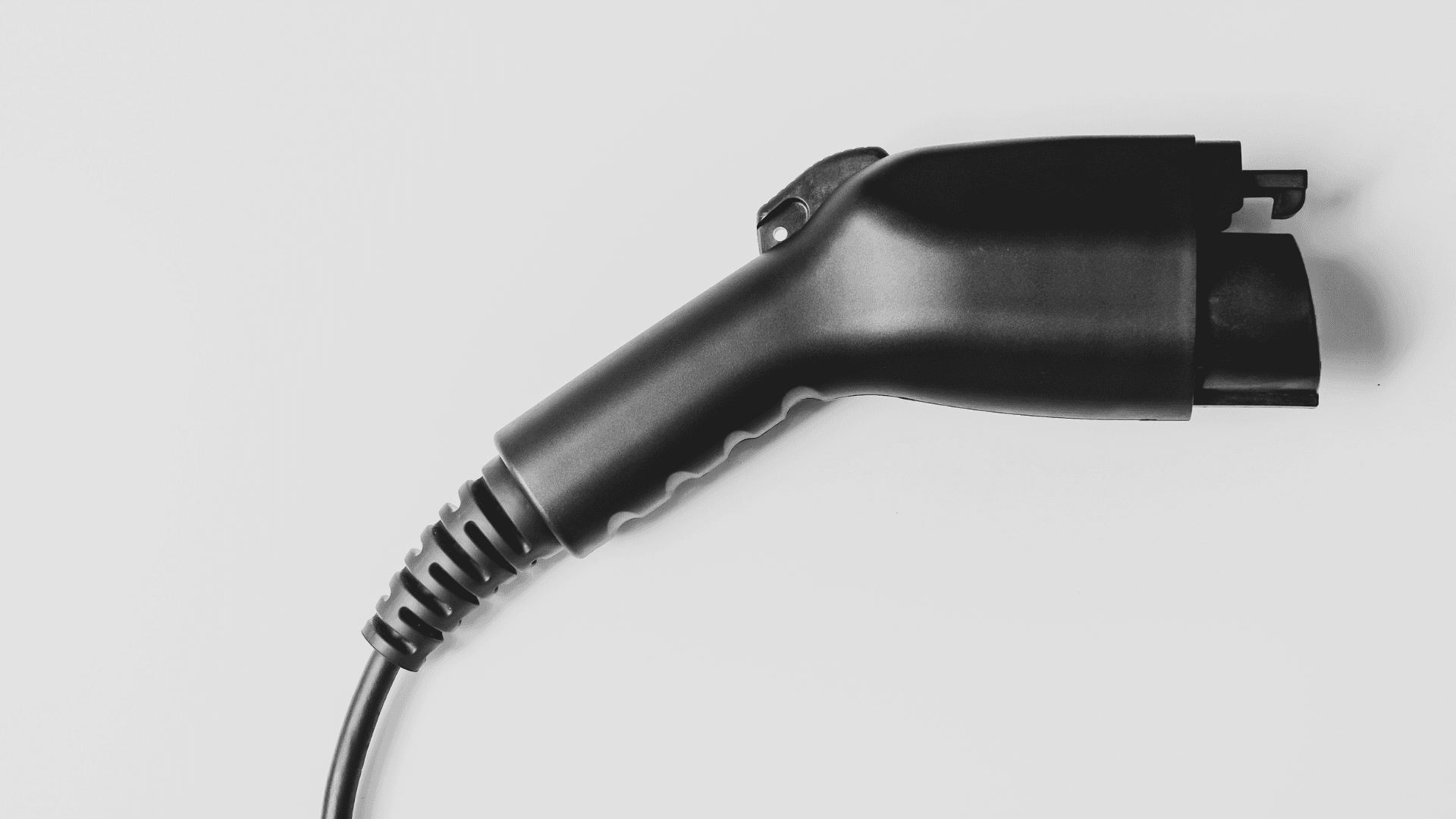
Almost every Newfield household lives in a detached house with its own driveway, about 92 percent of homes by the Census count, so an electric car here is most easily fed from a Level 2 charger in the garage or beside the driveway. Routes 11 and 110 carry most of the traffic through town, and this corner of York County sits in hills along the New Hampshire line rather than beside a highway interchange. Charging at home overnight means the car leaves every morning with a full battery, instead of depending on a public charger in another town. A standard 120 volt outlet adds only a few miles of range per hour, which can fall behind in winter.
Cold matters as much as distance. Batteries lose range in a Maine January, and a car that sits plugged in can warm its cabin and battery before you leave. Before a charger goes on the wall, the panel and service are checked. Take a 1970s house on 100 amps already carrying an electric water heater, a well pump and a heat pump: until the load has been calculated, nobody can say whether a 40- or 48-amp charging circuit fits or the service has to grow first. Goodnow Electric mounts both hardwired chargers and 240-volt plug-in models, from the Tesla Wall Connector to universal units, and brings the circuit to a garage, an outside wall or a post beside the driveway.
Part of the cost can come back through Efficiency Maine. Its off-peak program takes $200 off a qualifying Level 2 charger at the time of sale and pays $200 more when the owner gets the charger online and enrolled in its app, which has to happen within six months. Enrolled chargers hold off during the weekday evening peak, 5 to 9 p.m. The default cannot be permanently switched off, though you can override it on a given day, and each address may enroll up to two chargers. For a household that plugs in after dinner and leaves at dawn, that schedule rarely gets in the way.