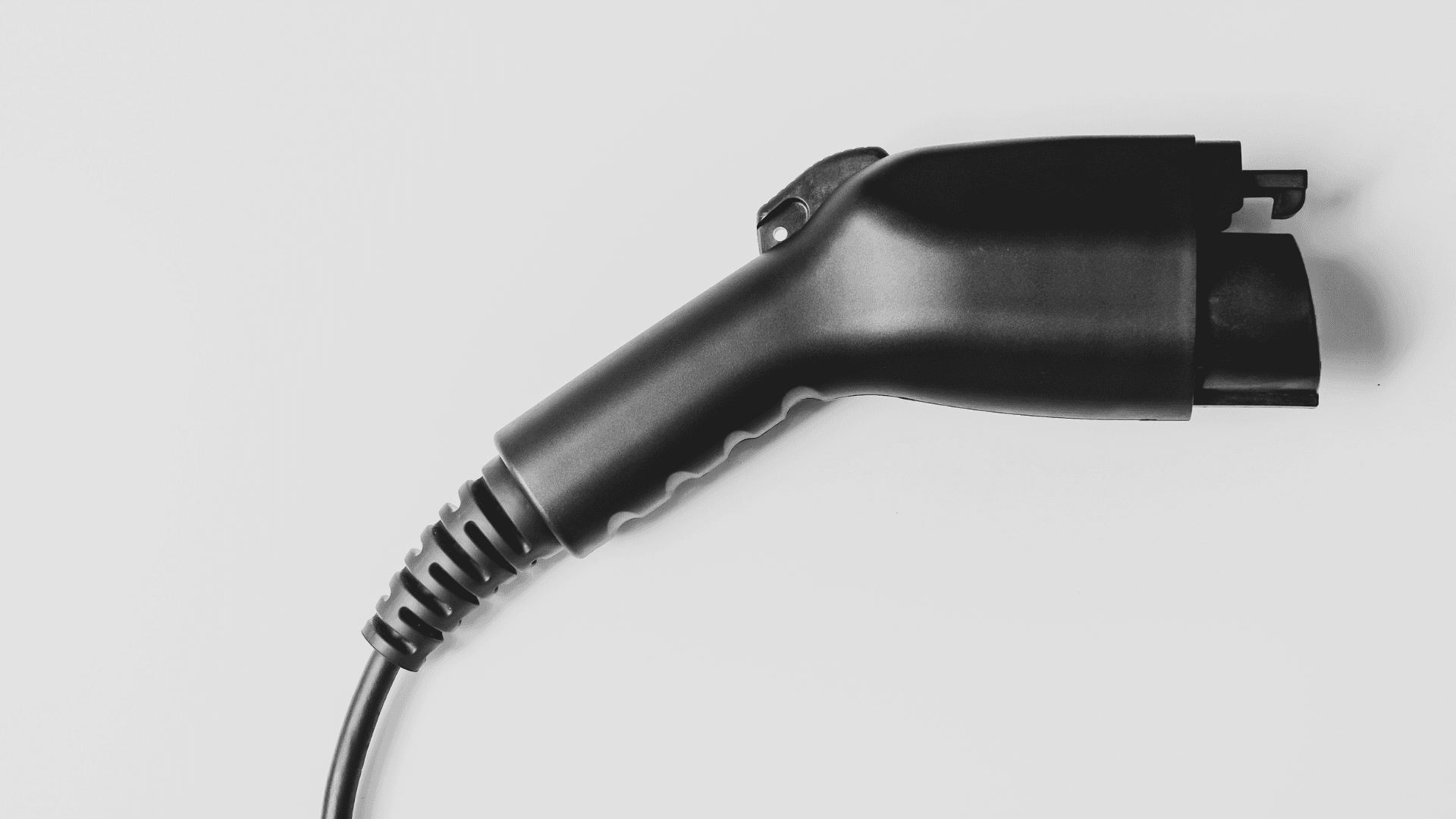
Most Raymond households drive to work, school and shopping, and U.S. Route 302 toward Windham and Portland is the main artery, with Route 85 and Route 121 crossing town. Those miles add up quickly, and a 240-volt Level 2 unit in the garage puts them all back while the house sleeps. Cold weather makes the case stronger: EV range drops in a Maine winter and cabin heating draws power, so a standard wall outlet may not bring the battery back by morning after a long day. Summer brings its own demand, when guests arrive at a lake house with their own electric cars and a second charging spot, or a charger that can share power between two vehicles, becomes worth planning for.
Nearly every Raymond home, about 94 percent, is a detached house on its own lot, so finding a wall or post for the charger is rarely the hard part. The panel is. A converted camp or a pre-1980 house often has nothing left over for a 40- or 48-amp breaker, which leaves two routes: a charger that throttles itself around the house load, or a bigger service. Detached garages mean a longer circuit, and outdoor chargers should be weather-rated and mounted where the plow and roof snow will not reach them. For seasonal homes, a charger with scheduling and remote control is easy to leave off for the winter.
Goodnow Electric reads the panel first and then fits the charger to it, whether a Tesla Wall Connector, a universal unit, hardwired or on a plug; Raymond Code Enforcement permits and inspects the circuit. On the incentive side, a charger set to hold off on weekday evenings between 5 and 9 earns $200 off at purchase from Efficiency Maine and a second $200 once it is running, and a time-of-use utility rate makes that schedule pay off. Charging overnight also leaves the service free for heat pumps during the evening peak, when a lake house is using the most power, and a quick look at the panel before buying hardware avoids choosing a charger the service cannot support.