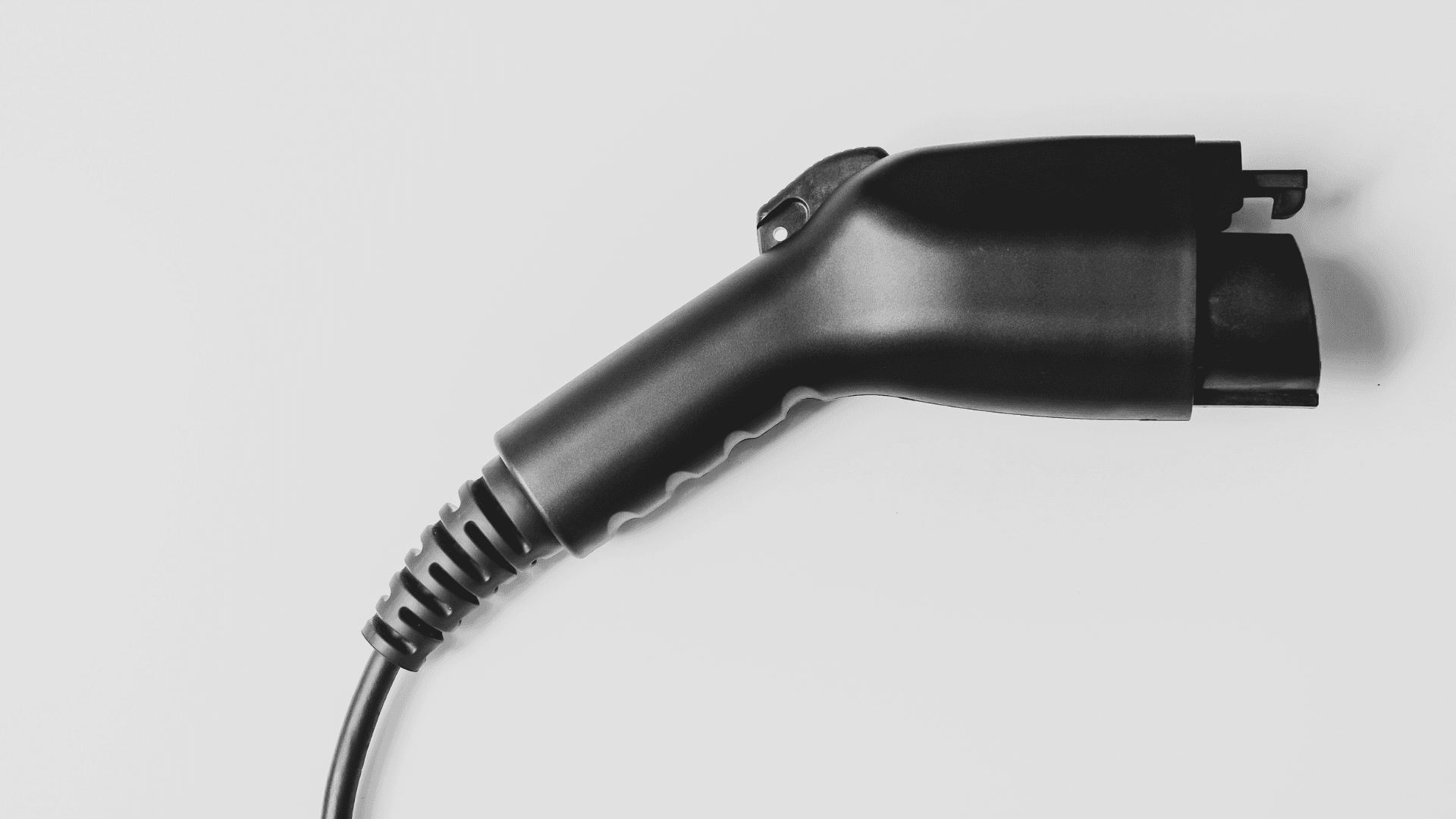
Windham publishes its own guide to installing an electric vehicle charger, and it is specific. Every EV charger installation requires an electrical permit for the wiring and the charging unit, applied for online through the town's MyGov portal and reviewed by Code Enforcement. For one- and two-family homes, the application is the standard electrical permit form. The town's checklist lists a $50 application fee plus $50 per charging station, and asks for load calculations showing that the existing electrical service can support the new load. The work must comply with the Maine Electrical Code, and larger commercial installations also need a building permit.
The load calculation is the step that matters most for Windham houses. A 1980s colonial off River Road or a newer home near the Route 302 corridor may have a 200-amp service with room to spare, while a converted camp near Sebago Lake may already be running at the limit of a smaller service once heat pumps are counted. Where capacity is tight, a charger set to a lower current, a load-managing unit that backs off when the house is busy, or a service upgrade can make it work. Windham's energy page also points to Central Maine Power's load hosting capacity map, which shows where the local grid can accept new demand like EV chargers without upgrades.
Winter is the reason most Windham drivers want Level 2 charging rather than a standard outlet. Cold batteries lose range, cabin heat draws more, and commuting from North Windham to Portland or Westbrook, then home again, can empty more of the battery in January than in June. A 240-volt charger refills that overnight. Efficiency Maine's off-peak incentive currently pays $400 toward a qualifying Level 2 charger, half at purchase and half after setup, when the unit is internet-connected and set to pause charging from 5 to 9 p.m. on weekdays. Goodnow Electric installs Tesla Wall Connectors and universal chargers, hardwired or on a receptacle, prepares the load calculation the town asks for, and pulls the permit.