A bridge links Berwick to Somersworth, New Hampshire, and Routes 9 and 236 lead toward the Maine Turnpike, Kittery and the coast. Regular commutes like these are well within the daily range of any current electric vehicle, as long as the car starts each morning with a full battery. Winter is the test: on a cold January night a battery loses a share of its usable range and needs time to warm, and a standard 120-volt outlet cannot refill it fast enough for a household with two commuters.
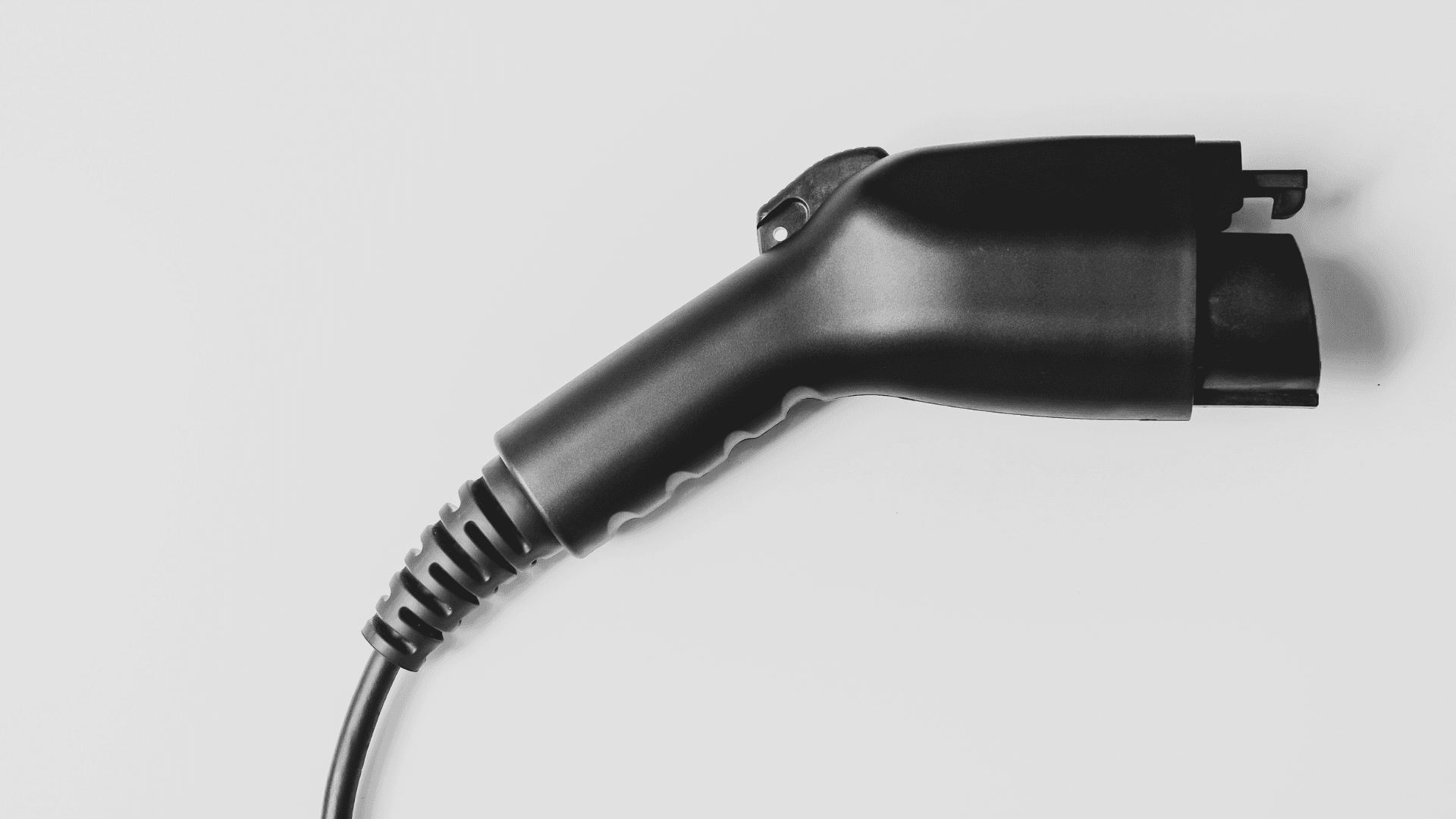
A 240-volt Level 2 circuit solves that, and Berwick’s housing tends to make it straightforward. More than a third of homes here date from 2000 or later, so a garage often sits close to a 200-amp panel with room for a 40- or 48-amp breaker. In a village house or a 1980s cape, a load calculation comes first, all the more so if a heat pump is planned. Mobile homes are different again: the charger normally takes its feed at the service pedestal, not the panel indoors, and that pedestal’s capacity gets confirmed before anything is ordered. With the supply settled, the unit can be a Tesla Wall Connector, another hardwired model, or a plug-in charger on a NEMA 14-50 receptacle, mounted on the siding or on a post beside where the car parks.
Efficiency Maine’s incentive here is $400, half taken off at the register and half paid once the charger is set up, on the condition that the unit holds off on weekday evenings from 5 to 9; an owner who needs a charge in that window can override it for the day. A single-family Berwick house needs no electrical permit from the town or, by the state board’s rules, from the state, so nobody checks the result but the electrician. Goodnow Electric holds Maine master electrician license MS60021971, confirms capacity before choosing the circuit, and follows the charger maker’s instructions and the electrical code in force. Where a second electric car is likely, wiring the first circuit for the larger charger saves opening the wall twice.